 blog
blog
Expert Lawn Care: What Homeowners Need to Know
Table of Contents
- What Expert Lawn Care Actually Includes
- Lawn Fertilization and Weed Control Services Explained
- Professional Core Aeration Benefits for Lawn Density
- Why Seasonal Lawn Maintenance Matters Year-Round
- Disease Control and Soil Health in Specialized Care
- Understanding Lawn Care Service Cost Estimates
- Choosing the Right Professional for Your Lawn
- Frequently Asked Questions
Last Updated: September 30, 2026
What Expert Lawn Care Actually Includes
Expert lawn care is a comprehensive approach addressing soil health, grass density, and seasonal needs through specialized treatments, fertilization, weed control, aeration, disease management, and seasonal adjustments tailored to your lawn's specific conditions.
Most homeowners treat lawn maintenance as a single task, but professional lawn care recognizes your lawn as a living ecosystem requiring targeted interventions at specific times of year. The difference between decent and thriving turf comes down to understanding what your grass actually needs.
Core services include lawn fertilization (essential nutrients), weed control (targets invasive plants), core aeration (relieves compaction), overseeding (fills thin patches), disease control (prevents fungal and bacterial spread), and topdressing (improves soil structure).
The real value of expert lawn care is diagnosis. A professional evaluates your soil pH, identifies compaction problems, spots disease early, and recommends treatments based on what your specific lawn needs, not a generic seasonal schedule.
Lawn Fertilization and Weed Control Services Explained
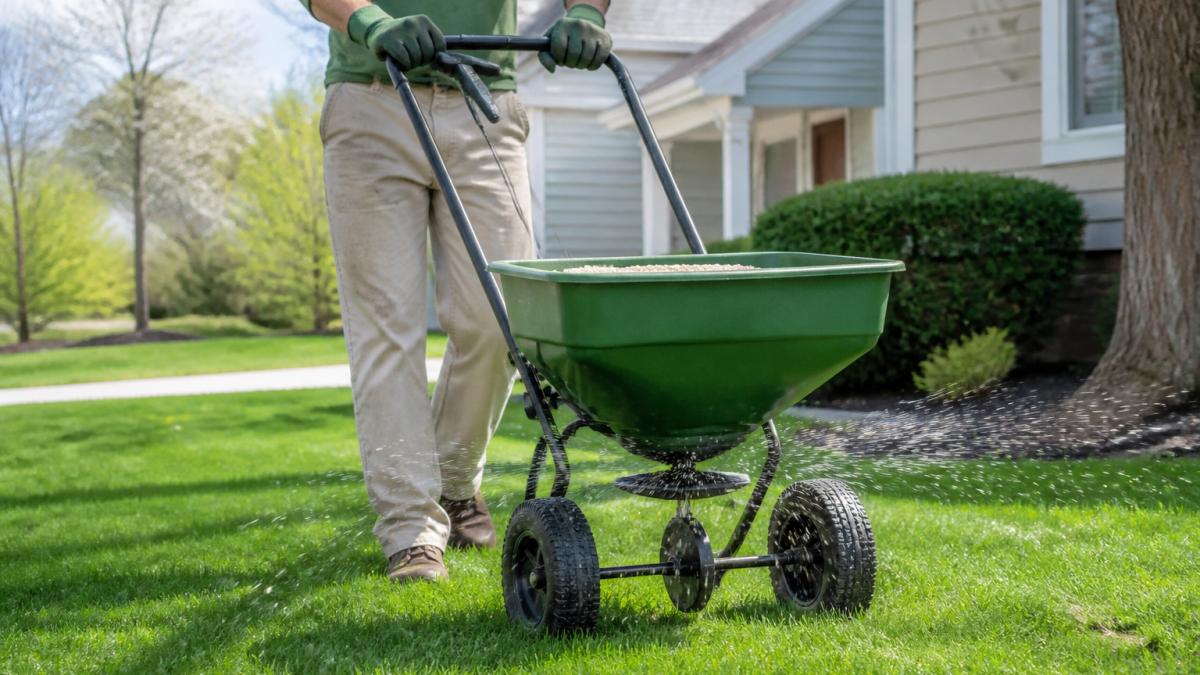
Lawn fertilization supplies nitrogen, phosphorus, and potassium timed to growth cycles: spring for green-up and root development, summer for heat stress tolerance, fall for root strengthening before dormancy. A common mistake is applying the same fertilizer year-round.
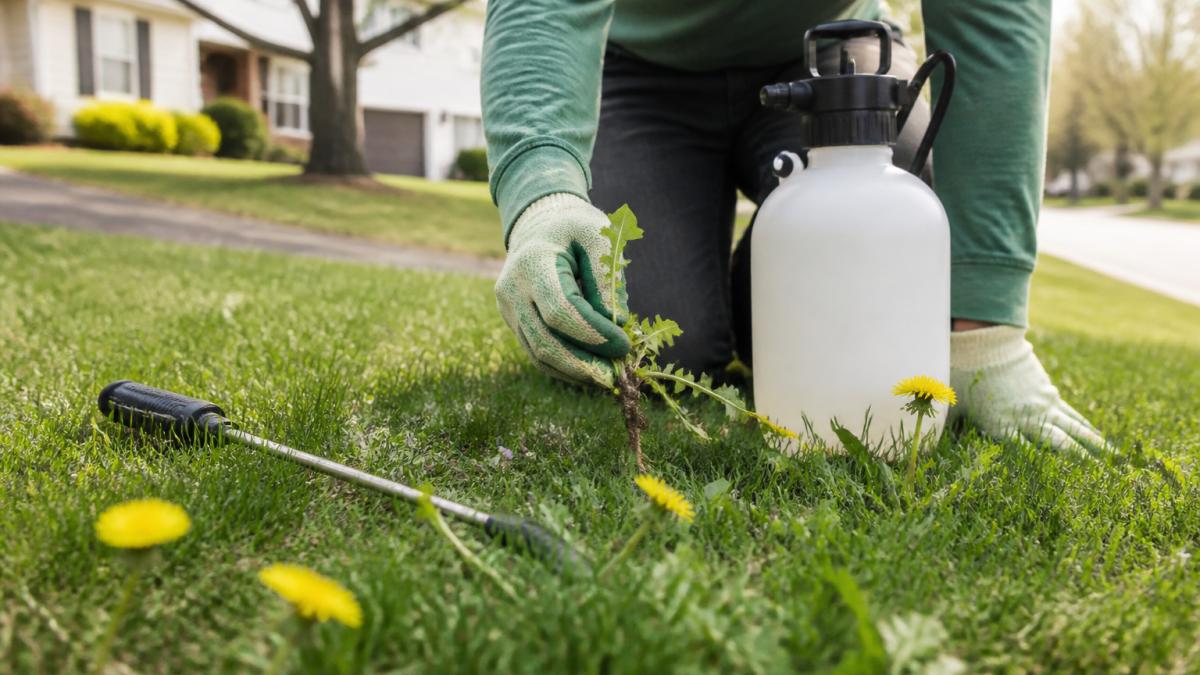
Weed control removes existing weeds and prevents new germination. Pre-emergent applications in early spring stop crabgrass before sprouting; post-emergent treatments target established weeds. Timing is critical, apply too late and seeds have germinated; too early and effectiveness fades before peak germination.
DIY fertilization and weed control often create temporary improvements without solving underlying problems. Weeds return because soil conditions favoring them haven't changed. Professional services adjust product selection and timing based on your specific soil health and grass type.
| Treatment Type | Timing | Primary Benefit |
|---|---|---|
| Spring fertilization | April-May | Green-up and root growth |
| Pre-emergent weed control | March-April | Prevents annual weeds |
| Summer fertilization | June-July | Heat stress tolerance |
| Post-emergent weed control | May-September | Targets established weeds |
| Fall fertilization | September-October | Root strengthening |
Professional Core Aeration Benefits for Lawn Density
Core aeration removes small soil plugs to relieve compaction and create space for root development, one of the most effective tools for improving lawn density.
Compacted soil kills lawn health by preventing deep root penetration and efficient water/nutrient absorption, causing thin, stressed grass. Core aeration creates channels allowing roots to grow deeper and water to penetrate further.
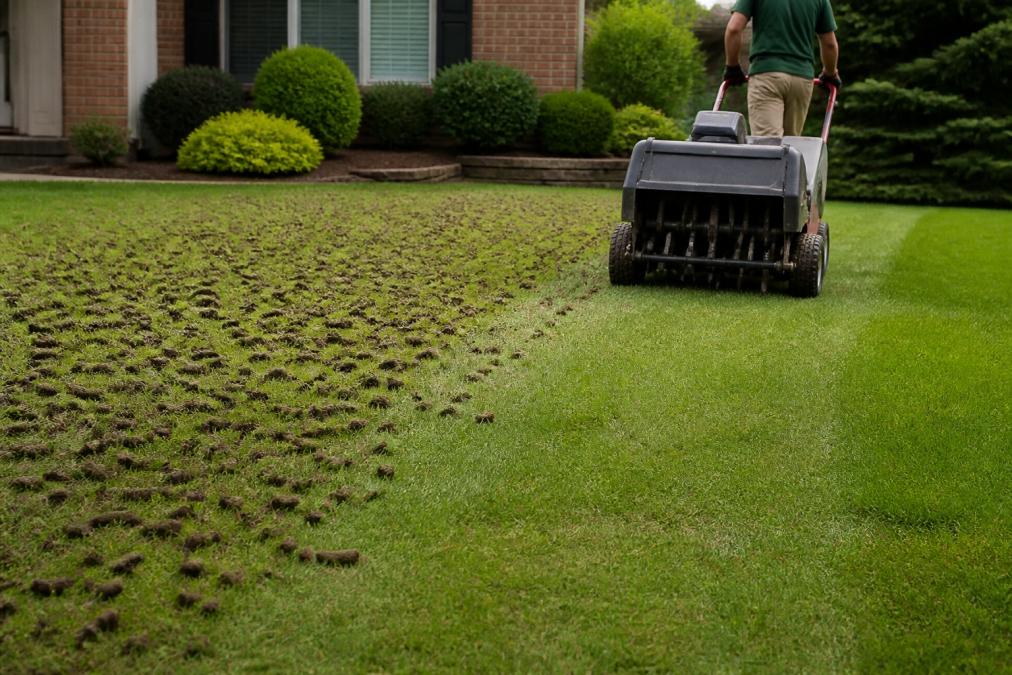
Spring aeration (late April-May) supports recovery during active growth; fall aeration (September-October) allows root establishment before winter. Never aerate during extreme heat or drought.
Aeration is most effective combined with overseeding, aeration creates ideal seed-to-soil contact. Aeration alone solves compaction but not thin turf; together they transform density within one growing season.
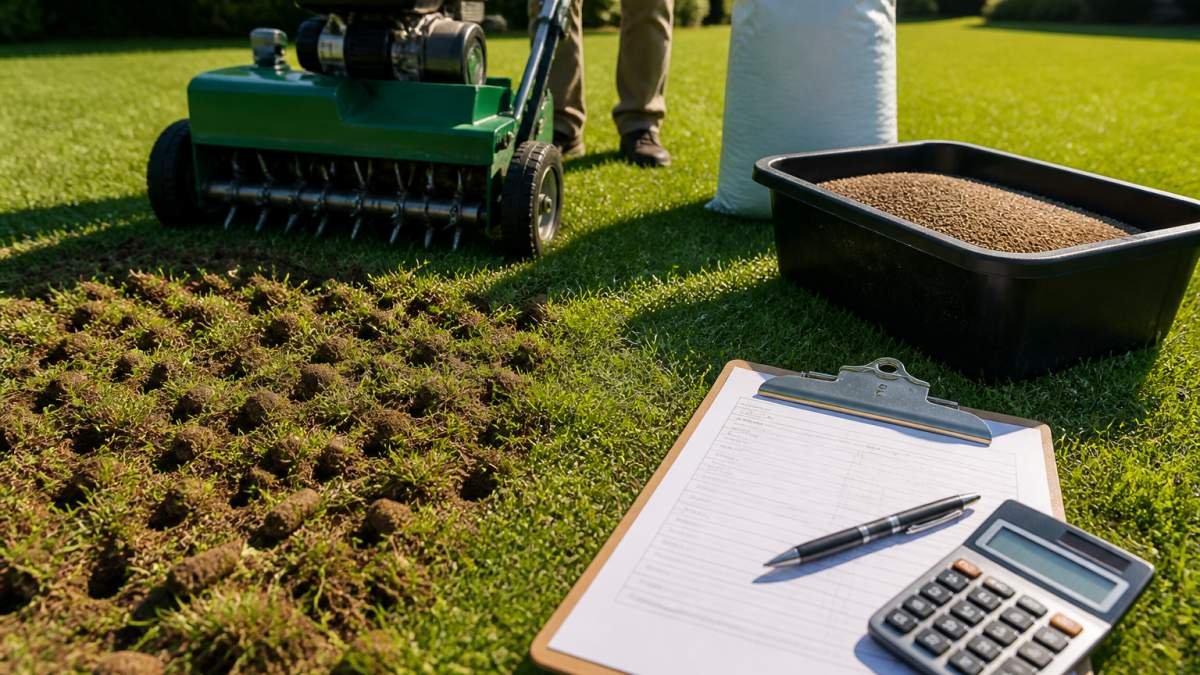
Professional equipment removes finger-sized soil cores that break down naturally and return nutrients. Though the lawn appears covered in holes for weeks, grass density increases noticeably within 6-8 weeks as new roots establish.
Why Seasonal Lawn Maintenance Matters Year-Round
March-April: Spring Awakening and Weed Prevention When soil temperatures reach 55°F, apply pre-emergent crabgrass control and spring fertilization to support green-up. Disease pressure increases as fungal spores activate in warming, moist soil. Many homeowners miss the pre-emergent window by applying too late; professional timing catches this critical opportunity.
May-June: Establishment and Early Summer Stress Late May is ideal for core aeration and overseeding, aeration creates perfect seed-to-soil contact while warm soil and spring moisture support germination. Post-emergent weed control targets escaped weeds. Irrigation becomes critical as temperatures rise.
July-August: Heat Management Avoid heavy nitrogen fertilization during peak heat, as it promotes tender growth vulnerable to damage. Focus on stress-tolerance applications and early morning irrigation to reduce disease pressure. Brown patch and fungal diseases thrive in hot, humid conditions; thin lawns often trace back to poor fall care the previous year.
September-October: The Most Critical Season Fall delivers professional lawn care's biggest impact. Cool temperatures and returning moisture create ideal conditions for root development and seed germination. Fall fertilization strengthens roots before dormancy and is arguably more important than spring fertilization. Fall overseeding establishes deeper roots before winter than spring seeding. Fall aeration allows roots to expand before winter stress. Many spring problems, thin turf, disease susceptibility, poor color, trace back to skipped fall treatments.
November-February: Winter Dormancy and Planning Once temperatures drop below 50°F, cool-season grasses enter dormancy. A final late-fall fertilization provides nutrients supporting root development during dormancy and early spring vigor. Winter dormancy masks problems, disease damage, thin spots, and compaction aren't visible until spring, so fall prevention is essential. Snow protects dormant grass, but ice and salt exposure can harm turf along property edges.
Disease Control and Soil Health in Specialized Care
Lawn diseases emerge when a susceptible grass variety, disease organism, and favorable environmental conditions align. Professional disease control interrupts this cycle before symptoms appear.
Common diseases include brown patch (hot, humid), dollar spot (cool, moist), and rust (late summer stress). Identifying which disease threatens your lawn enables targeted prevention.
Prevention is far more effective than treatment. Healthy soil supports vigorous grass that resists disease; poor conditions, compaction, nutrient deficiency, and improper pH stress grass and create disease openings.
Soil health assessment tests pH, nutrient levels, and organic matter. Acidic soils need lime; nutrient-deficient soils need targeted fertilization; low organic matter needs topdressing. These adjustments create conditions where disease struggles to establish.
Professional disease management includes cultural practices: proper mowing height, appropriate irrigation timing, and adequate air circulation. These practices prevent most disease problems. When disease appears, fungicide applications are timed and targeted rather than applied broadly.
Lawn disease is usually a symptom of underlying stress, not the root problem. Healthy lawns resist disease naturally; stressed lawns become vulnerable. Professional care addresses stress first and prevents disease as a consequence.
Understanding Lawn Care Service Cost Estimates
Lawn care pricing varies by lawn size, condition, services, and frequency. Understanding what you're paying for prevents sticker shock and reveals why professional care often delivers better value than homeowners expect.
What Professional Services Actually Cost
A professional estimate should itemize services clearly, specify what's included, when services occur, and expected outcomes.
Pricing depends on the size of your lawn, its current condition, the specific services required, and the frequency of treatments.
The Hidden Cost of DIY Lawn Care
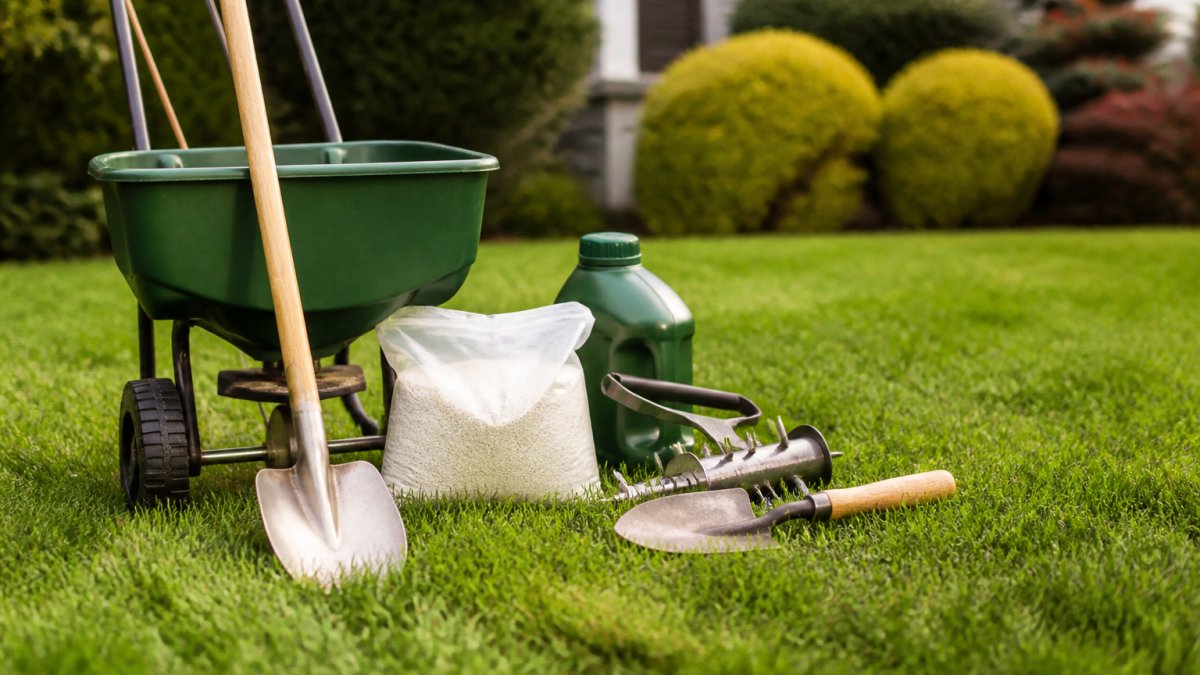
Equipment investment: Equipment investment can be significant.
Time investment: Core aeration of a 7,500-square-foot lawn takes 4-6 hours of physical labor. Overseeding takes another 2-3 hours. Fertilizer application takes 1-2 hours. Weed control scouting and spot-treatment takes 3-5 hours throughout the season. That's 15-20 hours of labor annually, plus the learning curve for timing and product selection.
Failure costs: Applying pre-emergent one week too late means crabgrass establishes anyway, potentially leading to additional treatments or a weedy lawn. Aerating during a drought stresses your lawn instead of helping it. Overseeding without aeration wastes seed money because new seed can't make soil contact. Over-fertilizing burns grass or promotes disease. These mistakes are common among DIYers and often cost more to fix than professional service would have cost initially.
The Professional Value Proposition
A professional provider spreads equipment costs across dozens of customers, eliminating your capital investment. They know the exact timing for your region, when soil temperatures hit 55°F, when disease pressure peaks, when to aerate for maximum benefit. They diagnose problems before they become expensive (catching disease early prevents lawn renovation costs).
For a homeowner with a busy schedule, the time savings alone justify professional service. For someone with a lawn that has compaction, disease, or thin turf problems, professional expertise prevents costly mistakes. For someone who values their outdoor space, professional results typically exceed what DIY effort produces.
When DIY Makes Sense
DIY lawn care works best if you have time, enjoy the work, your lawn is already healthy, and you're willing to invest in learning proper timing and techniques.
Green Up Specialized Lawn Care provides free estimates that break down exactly what your lawn needs and what each service costs. This transparency helps you make informed decisions about which services matter most for your situation and whether professional investment aligns with your goals and timeline.
Choosing the Right Professional for Your Lawn
Not all lawn care providers operate the same way. Understanding the differences helps you choose a partner who will deliver the results you need.
Frequently Asked Questions
How often should professional fertilization and weed control be applied?
Most lawns benefit from a seasonal program with applications timed to grass growth cycles and weed emergence patterns. Spring and fall typically require more frequent treatments, while summer and winter need adjusted schedules based on your grass type and local conditions. A professional assessment of your lawn determines the exact frequency needed for your specific situation.
What makes expert lawn care different from DIY treatments?
Professional lawn care providers have expertise in soil testing, grass species identification, and targeted treatment timing that homeowners typically lack. They apply the right product at the right concentration to the right area, preventing the temporary fixes that come from generic big-box store solutions. Owner-operated services offer personalized attention and accountability that larger companies cannot match.
Is core aeration necessary for healthy grass in this region?
Yes. Soil compaction is common in established lawns, restricting root growth and water penetration. Core aeration relieves compaction, improves soil structure, and allows fertilizer and seed to make better contact with soil. Combined with overseeding, aeration is one of the most effective ways to restore thin or bare patches and build long-term lawn density.
What should I look for when comparing local lawn care providers?
Prioritize owner-operated services that offer free soil and lawn assessments before recommending treatments. Verify they provide specific, customized treatment plans rather than generic programs. Check that they explain what your lawn needs and why, and deliver consistent results across seasons. Ask about disease management and soil health practices, not just cosmetic treatments.