 how-to
Lawn Aeration and Overseeding Cost: Pricing Guide
Table of Contents
- What Drives Lawn Aeration and Overseeding Cost
- Lawn Aeration Cost: What You Pay For Core Aeration Alone
- Pricing by Lawn Size: From Small Yards to Full Acre Lots
- DIY Lawn Aeration and Overseeding: Real Costs and Trade-Offs
- The Best Time to Aerate and Overseed a Lawn
- How to Request a Lawn Care Service Estimate
- Conclusion: Getting the Right Price for Your Lawn
- Frequently Asked Questions
Last Updated: October 4, 2026
What Drives Lawn Aeration and Overseeding Cost
Lawn aeration and overseeding cost depends on three things: the size of your lawn, the condition it's in, and whether you bundle both services or book them separately. Most homeowners find that combining core aeration with overseeding can be more efficient than scheduling two visits, as the crew is already on site and the seed can be applied while the soil is still open.
At Green Up Specialized Lawn Care, we quote every property individually. A thin lawn on compacted clay soil in Westerville needs a different plan than a shaded yard in Bexley, and flat-rate pricing across both would be dishonest.
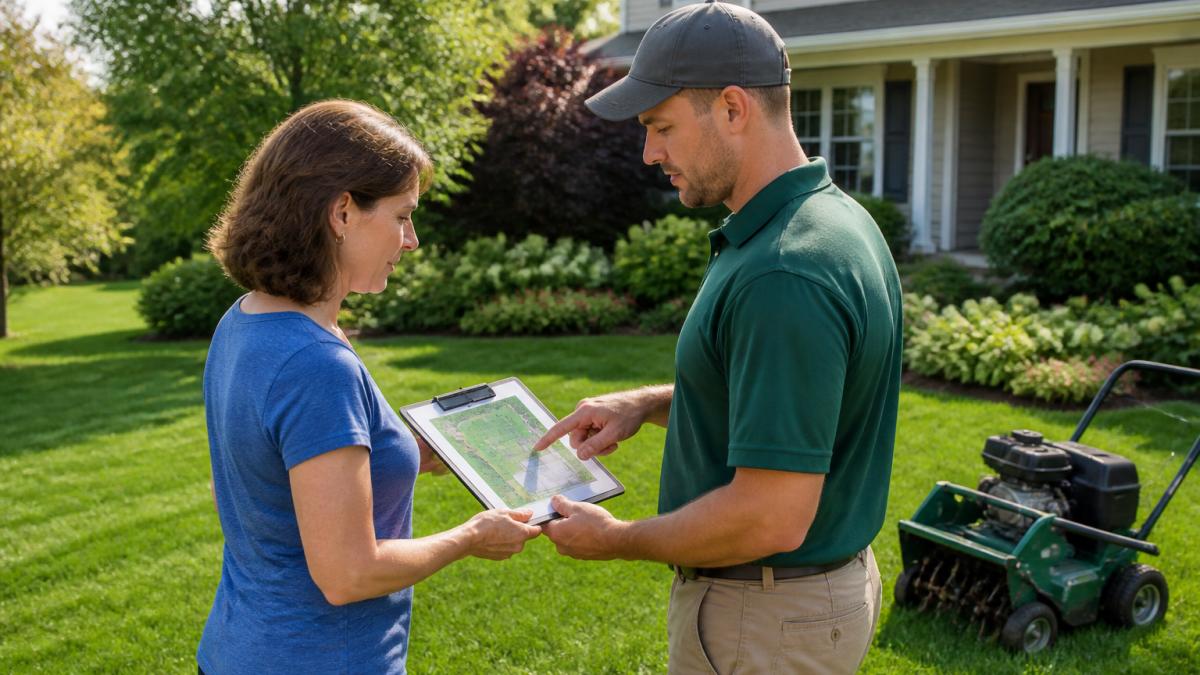
The five cost drivers that actually move the number
- Lawn size, measured in square feet or fractions of an acre. This is the biggest single variable, and it's why per-1,000-sq-ft pricing is the fairest way to compare quotes.
- Soil compaction and thatch depth, which can require a second aeration pass. A lawn with more than about half an inch of thatch often needs two passes, and that roughly doubles the machine time on the line item.
- Seed blend, since premium cultivars cost more than basic mixes. A turf-type tall fescue blend with improved disease resistance runs noticeably higher per pound than a commodity contractor mix, and overseeding rates are typically 3 to 6 pounds per 1,000 square feet.
- Obstacles and property access, such as fenced backyards, steep slopes, tree rings, and narrow gates. Each obstacle adds handling time, and some crews charge a small per-obstacle or per-zone surcharge.
- Add-ons, including fertilization, top dressing, soil testing, and grub or weed control. These are usually priced separately and can add 20 to 50 percent to the base service.
A worked, itemized estimate
Most quotes you'll see online are a single lump sum. Here's what an itemized combined aeration and overseeding estimate looks like for a 5,000-square-foot lawn, broken out the way a transparent provider should present it:
| Line item | Basis | Typical range |
|---|---|---|
| Core aeration | Per 1,000 sq ft | Pricing varies |
| Overseeding labor | Per 1,000 sq ft | Pricing varies |
| Seed | Per pound, at 4 lb/1,000 sq ft | Pricing varies |
| Travel / minimum charge | Flat | Pricing varies |
| Cleanup and blow-off | Flat | Pricing varies |
Why the same lawn gets three different quotes
Two providers can look at the same yard and land $150 apart. The difference is almost always in what's bundled. One quote may include seed, cleanup, and a second pass; another may price aeration only and treat seed as an add-on. Before you compare totals, normalize the scope: same measured area, same seed rate, same number of passes, same cleanup expectation. That's the only way the numbers mean anything side by side. Evaluating these professional service tiers often reveals that the labor-intensive nature of the task makes a DIY aeration guide a practical reference for those weighing the true value of their investment.
Lawn Aeration Cost: What You Pay For Core Aeration Alone
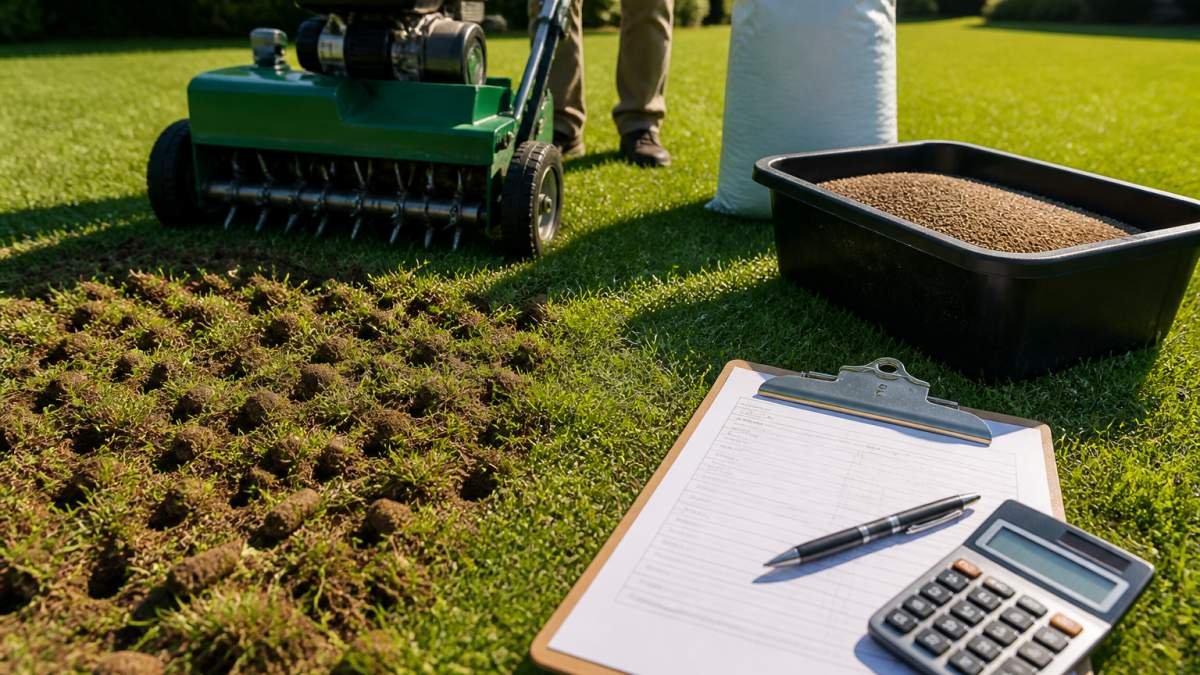
Core aeration alone is the cheaper half of the job. A machine pulls small plugs of soil from the lawn, which loosens compaction and lets air, water, and nutrients reach the root zone.
Pricing for aeration only is usually quoted per 1,000 square feet or as a flat rate by lawn size. Expect the quote to reflect:
- Machine passes across the full lawn, not just visible problem areas
- Plug cleanup, if you want the cores raked or left to break down
- Travel and minimum charges, which matter most on small lawns
Most companies set a minimum service charge so a small lawn is still worth the trip.
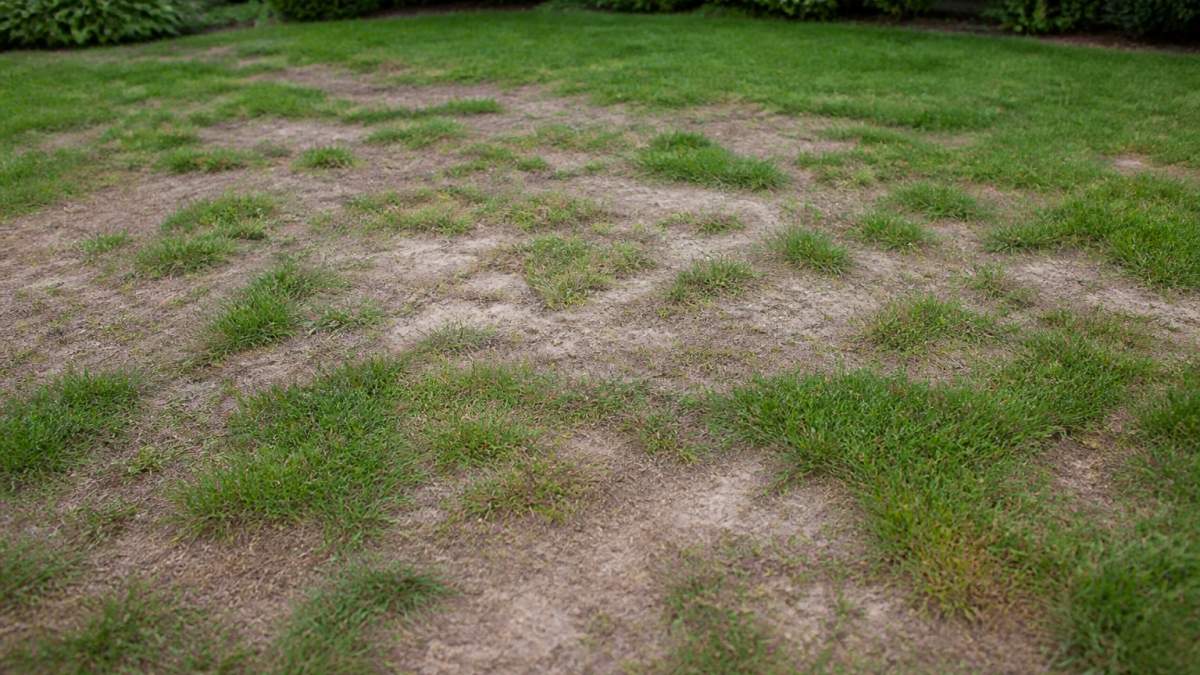
Aeration only makes sense when your grass is already thick and you just need to relieve compaction. If your lawn is thin or patchy, aeration without seed leaves bare soil open for weeds.
Pricing by Lawn Size: From Small Yards to Full Acre Lots
Pricing by lawn size is the single clearest way to compare quotes. Ask every provider to price the same measured area, or you're comparing apples to oranges.
Here's how the general tiers break down:
| Lawn Size | Typical Measurement | What Affects the Quote |
|---|---|---|
| Small lawn | Under 5,000 sq ft | Minimum charge may apply |
| Medium lawn | 5,000-10,000 sq ft (quarter-acre lot) | Standard per-1,000-sq-ft rate may apply |
| Large lawn | 10,000-20,000 sq ft (half-acre lot) | Volume rate may apply, more machine time |
| Full acre | Roughly 43,560 sq ft | Custom quote, equipment logistics |
A full acre is a different job. Crews need more seed, more fuel, and more time, and some equipment struggles on slopes or uneven ground. That's why per-square-foot pricing often drops slightly at larger sizes while the total rises.
DIY Lawn Aeration and Overseeding: Real Costs and Trade-Offs
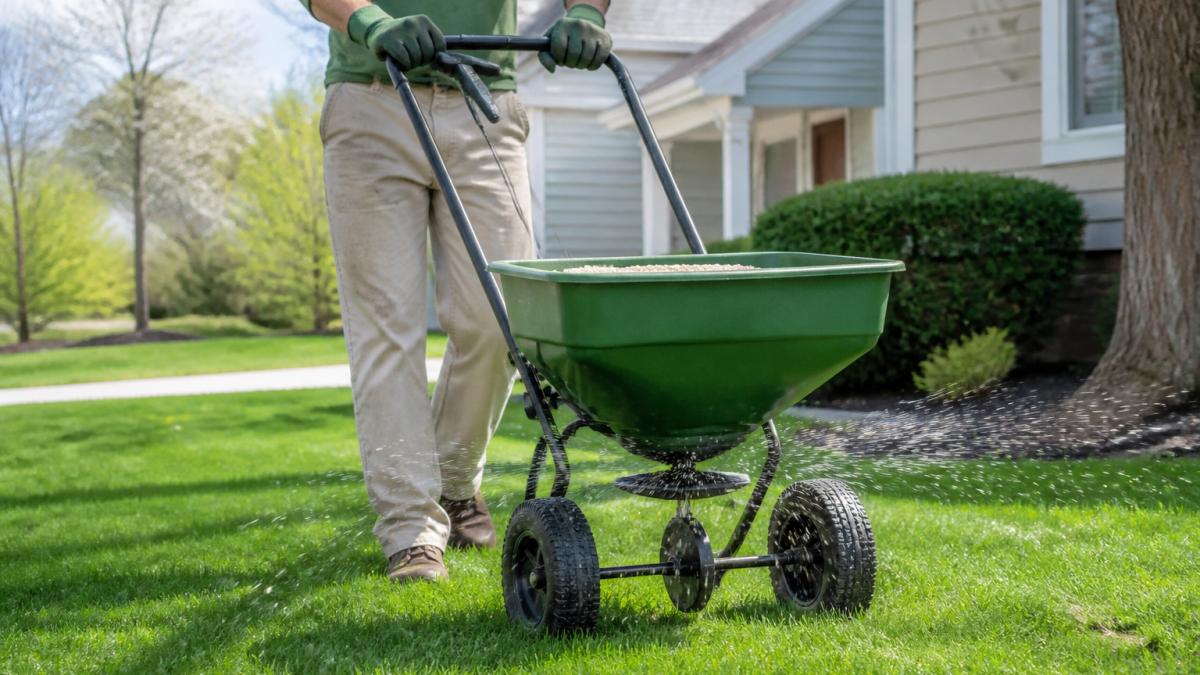
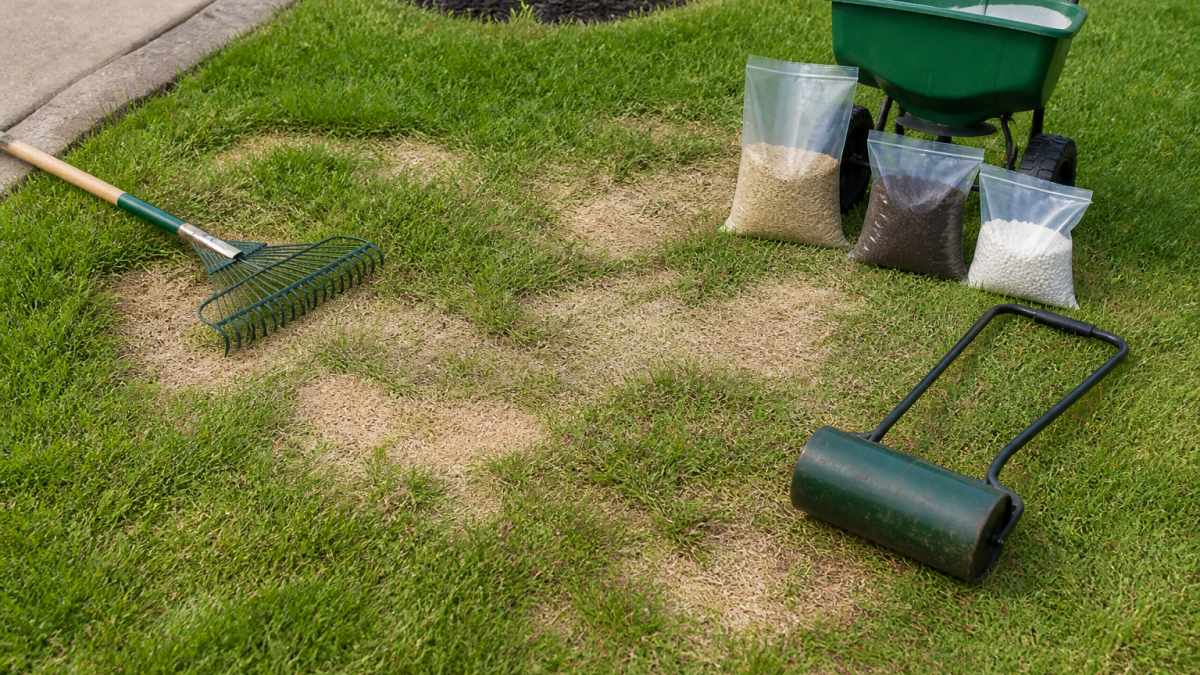
DIY lawn aeration and overseeding involves renting or buying equipment, sourcing seed, and dedicating personal time. For a small lawn, this approach can be feasible.
The actual DIY cost stack
Here's what a do-it-yourself aeration and overseeding job really costs for a 5,000-square-foot lawn, itemized the same way a pro would quote it:
| Item | Typical cost | Notes |
|---|---|---|
| Core aerator rental | Pricing varies | Half-day rates exist but may not cover a full lawn plus cleanup |
| Seed | Pricing varies | About 20 lb at 4 lb per 1,000 sq ft |
| Broadcast spreader rental | Pricing varies | Often bundled with the aerator |
| Fuel and transport | Pricing varies | Truck, trailer, or delivery fees |
| Water | Pricing varies | Weeks of consistent irrigation |
| Your time | 4-8 hours | Plus watering for 2-3 weeks after |
A small-lawn DIY job involves various hard costs, before accounting for personal time. The gap between DIY and professional service can be narrower than some homeowners expect, especially when factoring in potential additional costs like a second rental day, equipment issues, or unsuccessful germination.
Where DIY actually wins
- Very small lawns under about 2,500 square feet, where a half-day rental and one bag of seed cover the whole job.
- Homeowners who already own the equipment, which removes the rental line entirely.
- Lawns that only need overseeding, since a spreader is far easier to handle than a core aerator.
Where DIY quietly loses
- Aeration depth. Core aerators need to pull plugs 2 to 3 inches deep to relieve compaction. Rushing across a lawn at the wrong speed leaves shallow holes that don't do the job.
- Seed-to-soil contact. Seed needs to sit in the aeration holes or in a slit, not on top of thatch. A rushed pass leaves seed stranded on the surface, where birds and sun take most of it.
- Watering discipline. New seed needs light, frequent watering for two to three weeks. Most DIY failures trace back to this step, not to the aeration itself.
- Peak-season rental scarcity. Aerators book out fast in early fall, which is exactly when you want one.
Aeration only and overseeding only are both possible as DIY jobs, but doing them back to back on the same day is the part that trips people up. If you can't finish aeration and get seed down before the soil dries, you've spent the rental money for half the result.
DIY can involve trade-offs between labor savings and costs for equipment rental, seed, and potential re-treatment. For small, flat, and healthy lawns, DIY can be a reasonable option. For more complex or larger properties, professional service may offer a more effective solution.
The Best Time to Aerate and Overseed a Lawn
The best time to aerate and overseed a lawn is early fall, when soil is still warm but air temperatures have dropped. Cool-season grasses germinate well in that window, and new seedlings have time to establish before the first frost.
Spring is a distant second. Weeds germinate aggressively in spring, and opening the soil then gives them a head start. If fall isn't possible, early spring works, but expect more weed pressure.
Timing can affect availability. Fall is peak season for aeration and overseeding, so schedules fill quickly. Booking early in the season is often advisable to secure a slot.
Preparation and aftercare matter as much as timing:
- Mow slightly shorter than usual a day or two before service
- Water the lawn a day ahead if the soil is bone dry
- Keep off the lawn for a few days after seeding
- Water lightly and often until new grass is established
How to Request a Lawn Care Service Estimate
A lawn care service estimate should be itemized, not a single lump sum. Ask for a written breakdown so you can see exactly what you're paying for and compare providers fairly.
Here's a checklist to run through before you commit:
- Confirm the quote is based on a measured lawn area, not an estimate
- Ask whether seed is included and which blend is used
- Confirm whether aeration only or overseeding only is priced separately
- Ask about the minimum charge and any travel fee
- Request the itemized breakdown in writing
- Confirm what happens if results fall short
A short walkthrough of your property beats a phone quote every time. It lets the provider see compaction, shade, and access issues before pricing, which means fewer surprises later.
Conclusion: Getting the Right Price for Your Lawn
Comparing lawn aeration and overseeding cost across providers is frustrating when every quote is structured differently. The fix is simple: insist on itemized pricing, measured square footage, and a clear answer on whether seed is included.
That's how we operate at Green Up Specialized Lawn Care. As an owner-operated business, we walk every property, quote by measured lawn size, and combine core aeration with overseeding in a single visit so you're not paying for two trips. Our fertilization, weed control, and disease management services round out a full lawn health plan.
Get started with Green Up Specialized Lawn Care and request a measured, itemized estimate for your property.
Frequently Asked Questions
Is aeration and overseeding worth the cost?
For lawns with compacted soil or thin, patchy grass, aeration and overseeding is one of the most effective ways to restore density. Core aeration pulls plugs of soil to relieve compaction, which lets seed, water, and nutrients reach the root zone. Overseeding then fills bare spots with new grass varieties. Homeowners who combine both services typically see thicker turf within one to two growing seasons, making the investment worthwhile for lawns that need renovation rather than just routine care.
What factors affect the cost of aeration and overseeding?
The biggest factor is lawn size, since most providers price per 1,000 square feet. Other cost drivers include the number of obstacles like trees, garden beds, and irrigation heads; property access for equipment; whether you need aeration only, overseeding only, or both; seed selection; and whether add-ons like fertilization, dethatching, or top dressing are included. Minimum service charges also apply for small lawns, so a quarter-acre lot may pay a higher effective rate per square foot than a full acre.
Is it cheaper to aerate and overseed a lawn yourself?
DIY can involve upfront costs if you need to rent or purchase a core aerator, and the expense of seed, fertilizer, and your time can add up. Professional service includes equipment, labor, and proper seed-to-soil contact, which can reduce the risk of poor germination. For small lawns, DIY may be a viable option; for larger properties or lawns with heavy compaction, professional service can offer a comprehensive solution.
How long does it take to see results after aeration and overseeding?
New grass typically germinates within 7 to 21 days, depending on seed variety and weather. You will see visible thickening and filling of bare patches within four to six weeks if you keep the seedbed consistently moist. Full results, where the lawn reaches mature density, usually appear by the following spring. Proper aftercare, including watering, avoiding heavy foot traffic, and delaying herbicide applications, makes a significant difference in how quickly and evenly the new grass establishes.