 blog
blog
Professional Weed Control in Gahanna OH: 2026 Guide
Table of Contents
- Why DIY Weed Control Fails on Ohio Lawns
- Ohio Lawn Weed Identification: Know What You're Fighting
- Weed Control Treatment Schedule for Gahanna Lawns
- Lawn Fertilization and Weed Control: Why They Work Together
- Lawn Care Service Questions to Ask Before You Hire
- What Professional Weed Control Costs in Gahanna
- How Green Up Specialized Lawn Care Approaches Weed Control
- Conclusion
- Frequently Asked Questions
Last Updated: October 5, 2026
Why DIY Weed Control Fails on Ohio Lawns
Pulling weeds and spreading big-box fertilizer feels productive, until the weeds return within weeks, often thicker, which is why so many homeowners eventually look for weed control Gahanna programs. That cycle drives homeowners across Gahanna and Franklin County to search for professional weed control Gahanna OH services.
The problem is root structure and timing.
Ohio's climate makes it harder: heavy clay soil, humid summers, and freeze-thaw winters let weeds germinate in waves from spring through fall, and one missed application window can undo months of work.
Here's what most DIY guides skip: weed control is a calendar problem before it's a product problem. At Green Up Specialized Lawn Care, every program is built around when weeds germinate in central Ohio, not when they become visible.
Ohio Lawn Weed Identification: Know What You're Fighting
Ohio lawn weed identification starts with one question: broadleaf or grassy? The answer determines which treatment works. Broadleaf weeds respond to selective herbicides; grassy weeds need a different product entirely, and some require repeat applications.
Broadleaf Weeds Common in Central Ohio
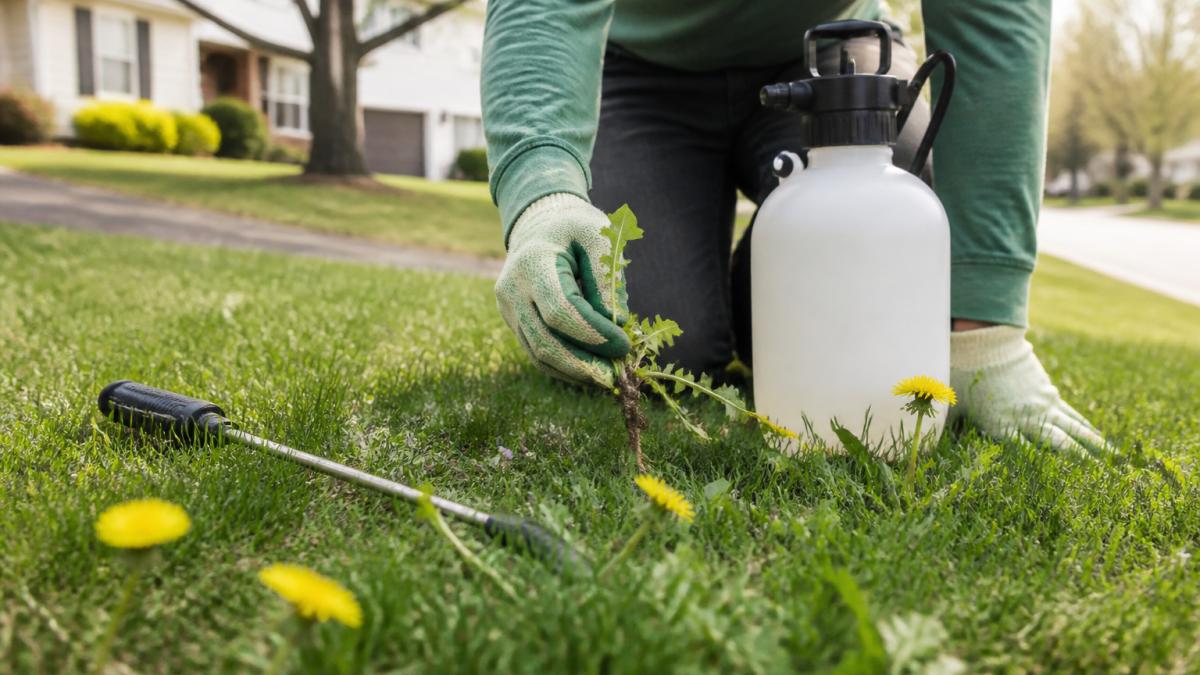
Dandelions are the obvious one, but they're rarely the worst. The broadleaf weeds that cause the most callbacks in this region include:
- White clover, which spreads through creeping stems and thrives in thin, low-nitrogen turf
- Ground ivy, a shade-tolerant creeper that forms dense mats in damp areas
- Plantain, which sends up a tough taproot that snaps off when pulled
- Creeping charlie, often confused with ground ivy, spreads aggressively in moist shade
Each has a different growth cycle, so a single June spray rarely solves the problem.
Grassy Weeds That Mimic Turfgrass
Grassy weeds are harder to spot because they look like your lawn. Crabgrass germinates when soil temperatures hold in the mid-50s, goosegrass appears later in summer as flat silver-green patches, and nimblewill and creeping bentgrass blend into fescue until they turn brown or pale at different times of year.
A common mistake is treating grassy weeds with broadleaf herbicide. It does nothing. Grassy weeds need pre-emergent control or a targeted post-emergent product, and timing matters more than strength.
Weed Control Treatment Schedule for Gahanna Lawns
A weed control treatment schedule for this region runs four to six visits per year, timed to germination and growth cycles rather than a fixed monthly calendar. Miss the early spring window and you're playing catch-up all season. Below: how a typical program maps to the growing season, plus the pre-emergent versus post-emergent logic behind it.
A Month-by-Month Treatment Calendar
Timing shifts with soil temperature and rainfall, so treat these windows as ranges, not fixed dates, most practitioners adjust by one to two weeks either way.
- Late February to mid-March: First pre-emergent goes down once soil temperatures hold in the mid-50s at 2-inch depth, the crabgrass and chickweed barrier. Applying before heavy rain helps incorporation; applying after germination wastes the product.
- Late March to April: Post-emergent broadleaf spot treatment for winter annuals and early dandelions that emerged before the barrier took hold. Cool-season turf is waking up, so weeds are actively growing and absorb product well.
- May: Second pre-emergent split application where crabgrass history is heavy, plus a broadleaf pass for clover, ground ivy, and creeping charlie breaking dormancy. Goosegrass also begins germinating in compacted areas.
- August: Mid-summer evaluation. Grassy patches and thin turf are mapped for fall renovation rather than sprayed harder, since mature weeds resist post-emergents.
Pre-Emergent vs. Post-Emergent Timing
Pre-emergent treatment creates a soil barrier that stops weed seeds from sprouting, and must go down before germination, typically when soil temperatures approach the mid-50s in early spring.
Post-emergent treatment kills emerged weeds, working best on young, actively growing ones rather than mature plants with deep roots (Best practices for postemergence weed control). Broadleaf post-emergents are selective and won't harm established turfgrass at label rates; grassy post-emergents are narrower and often need repeat applications two to three weeks apart.
| Treatment Type | Best Timing | Target | Miss It and... |
|---|---|---|---|
| Pre-emergent | Early spring, before germination | Crabgrass, chickweed | Weeds sprout through the barrier |
| Post-emergent (broadleaf) | Spring through fall | Dandelion, clover, ground ivy | Taproots survive and regrow |
| Post-emergent (grassy) | Late spring to summer | Crabgrass, goosegrass | Patches spread into bare turf |
| Fall pre-emergent | Early fall | Winter annuals | Spring flush arrives early |
Follow-Up Cadence and Re-Treatment Windows
A single visit rarely closes out a season. A return trip two to four weeks after any post-emergent catches weeds that were dormant or missed. Pre-emergent barriers break down in roughly 60 to 90 days depending on product, rainfall, and soil microbial activity, which is why split applications are common where crabgrass history is long. Between visits, flag new patches for the next technician rather than spot-spraying yourself, mixing products or double-dosing can stress turf.
Lawn Fertilization and Weed Control: Why They Work Together
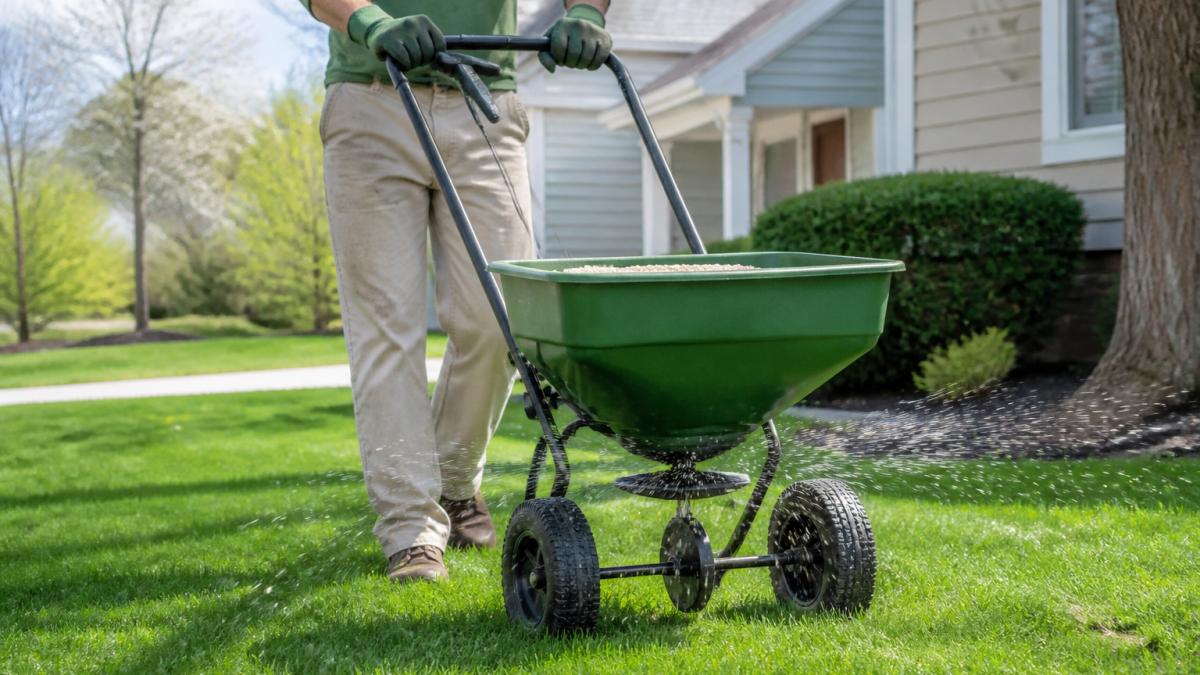
Lawn fertilization and weed control are two halves of one job: fertilizer thickens turf so weeds have no bare ground, and weed control removes competition so fertilizer feeds grass instead of weeds.
Skip one and the other underperforms. A thick, well-fed lawn crowds out crabgrass and dandelions naturally; a thin lawn, even a sprayed one, invites the next wave within weeks.
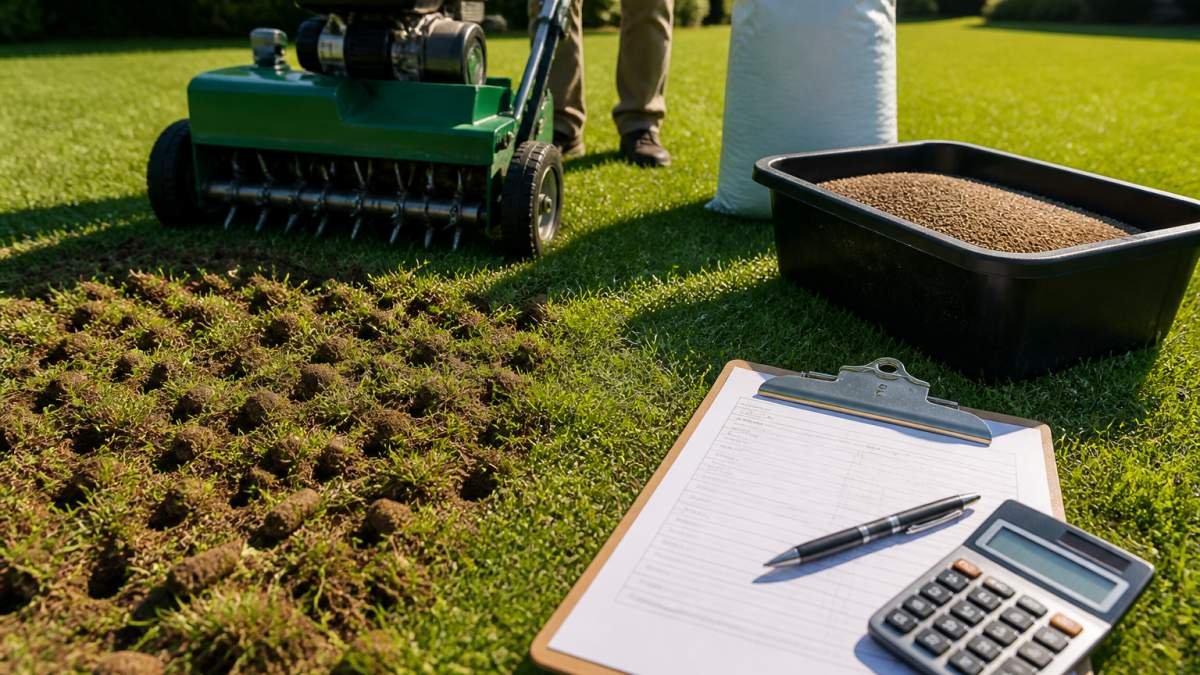
Soil health matters too. Fall core aeration and overseeding open the soil, improve water and nutrient movement, and let new grass establish before winter.
Lawn Care Service Questions to Ask Before You Hire
Lawn care service questions to ask before you hire come down to three things: what's included, how results are measured, and what happens if weeds return. Get clear answers before signing.
- What's in the service plan? Fertilization alone is not weed control. Ask whether pre-emergent, post-emergent, and follow-up visits are included.
- How do you decide what my lawn needs? A good provider inspects your lawn condition, soil, and weed species before quoting. One-size-fits-all programs waste money.
- What's your follow-up policy? If weeds return between visits, is a return trip included or billed separately?
- Are treatments pet-safe? Ask about re-entry times and what products are used, especially if you have dogs or kids.
- Do you offer a free estimate? A written quote with visit frequency and scope prevents surprises.
What Professional Weed Control Costs in Gahanna
Pricing for professional weed control depends on lawn size, weed pressure, and visit count. Since rates vary by provider, the useful exercise is understanding what drives the number and how to compare quotes apples to apples.
Factors That Move the Price
- Lawn size is the primary driver. A typical suburban lot here runs roughly 5,000 to 10,000 square feet of turf.
- Weed severity, since heavy infestations need more follow-up visits and sometimes a second product class.
- Service frequency, from four visits to six or more per season. Four visits is the entry point; six with split pre-emergent applications costs more but reduces summer breakthrough.
- Add-ons like core aeration, overseeding, topdressing, or disease control, typically quoted separately from the weed-and-feed program.
- Property type, with commercial lawn care typically requiring more coverage, documentation, and sometimes insurance certificates.
One-Time Treatment vs. Recurring Program
A single post-emergent application is least effective over a season: it kills what's visible, ignores the seed bank, and the same weeds return. A recurring program front-loads the pre-emergent work that reduces weed pressure year over year.
When comparing quotes, ask each provider to break out:
- Number of visits and what happens on each one
- Whether pre-emergent and post-emergent are both included or billed separately
- Whether follow-up visits for breakthrough weeds are included in the season price
- What add-ons are recommended versus required
- Whether the price is locked for the season or subject to change
The comparison only works when the scope matches.
How to Compare Quotes Without a Flat Rate
Because every lawn is different, we don't publish flat rates. Green Up Specialized Lawn Care provides a free estimate after inspecting your property, so you know exactly what you're paying for. Request a quote and you'll get a written breakdown of visits, scope, and pricing, use it as your comparison template against any other provider. If a competing quote can't itemize visits and scope, the program is generic.
How Green Up Specialized Lawn Care Approaches Weed Control
Green Up Specialized Lawn Care is an owner-operated company serving Gahanna, Westerville, New Albany, Bexley, and greater Columbus. Because we're local and specialized, every program is built around your lawn, not a franchise script.
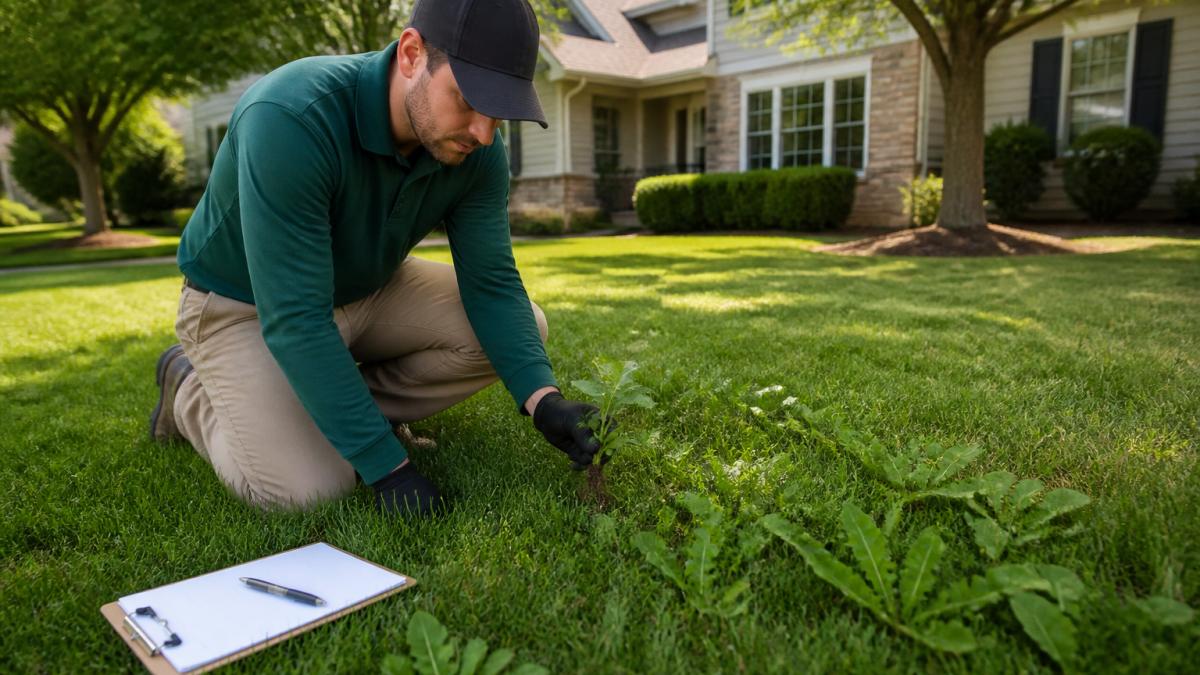
Our approach combines four things that work only when they work together:
- Weed identification first. We identify the specific broadleaf and grassy weeds on your property before recommending treatment, so you're not paying for products that won't work.
- Fertilization and weed control together. A fertilizer program builds turf density while targeted treatments remove existing weeds and prevent new ones.
- Soil health and renovation. Core aeration, overseeding, topdressing, and disease control address the underlying conditions that let weeds take over.
- Seasonal scheduling. Applications are timed to Ohio's germination windows, with follow-up treatment when weeds break through.
If you've dealt with inconsistent service before, the difference is accountability. We're the ones on your lawn, and we stand behind the work.
Conclusion
Weeds keep returning because most treatments address the symptom, not the cause: thin turf, compacted soil, and mistimed applications.
Green Up Specialized Lawn Care combines fertilization, targeted weed control, core aeration, and overseeding into one owner-operated program built for Gahanna-area lawns.
Get started with Green Up Specialized Lawn Care and request a free estimate for a lawn that stays thick and weed-free all season.
Frequently Asked Questions
How often should a lawn be treated for weeds?
Most Gahanna lawns need five to seven treatments per year, spaced roughly six to eight weeks apart from early spring through fall. The exact count depends on your grass type, weed pressure, and whether your program includes pre-emergent and post-emergent applications. A lawn with heavy broadleaf or grassy weed pressure may need a follow-up visit between scheduled rounds. Ask any provider how many visits are included and what triggers an extra trip.
Is professional weed control safe for pets and children?
Reputable providers use EPA-registered products and follow label directions on application rates and re-entry times. Most lawn treatments dry within a few hours, and many companies ask you to keep pets and kids off the grass until the product has dried completely. Ask your provider for the specific re-entry window for each product they apply, and tell them about pets, vegetable gardens, or play areas before the first visit.
How long does it take for professional weed control to work?
Visible results usually show within one to three weeks, depending on the weed species and product used. Broadleaf weeds like dandelion and clover typically curl and die back faster than tough grassy weeds such as crabgrass or nimblewill. Full control takes a season because pre-emergent barriers need to be in place before seeds germinate, and any missed weeds get handled at the next scheduled visit.
Should weed control be bundled with lawn fertilization?
Yes, in most cases. Thick, healthy turf crowds out weeds on its own, so fertilization and weed control work better together than either does alone. A lawn fertilization and weed control program builds density while knocking back existing weeds, which reduces how often you need spot treatments.