 how-to
How to Fix Thinning Lawn Patches: Step-by-Step Repair
Table of Contents
- Assess Your Lawn: Identifying Thin and Bare Patches
- Prepare Your Soil Before Overseeding
- How to Overseed a Thin Lawn: Seed Selection and Application
- How to Repair Bare Spots in Grass: Topdressing and Fertilizer
- How Long Does It Take for Grass Seed to Fill In Bare Patches
- When Not to Overseed and When to Call a Professional
- Frequently Asked Questions
Last Updated: October 8, 2026
Assess Your Lawn: Identifying Thin and Bare Patches
To fix thinning lawn patches, you need to understand that thin and patchy lawns don't happen overnight. They develop gradually as grass density declines, leaving visible bare spots and weak coverage. You can't fix thinning lawn patches without understanding why they appeared in the first place.
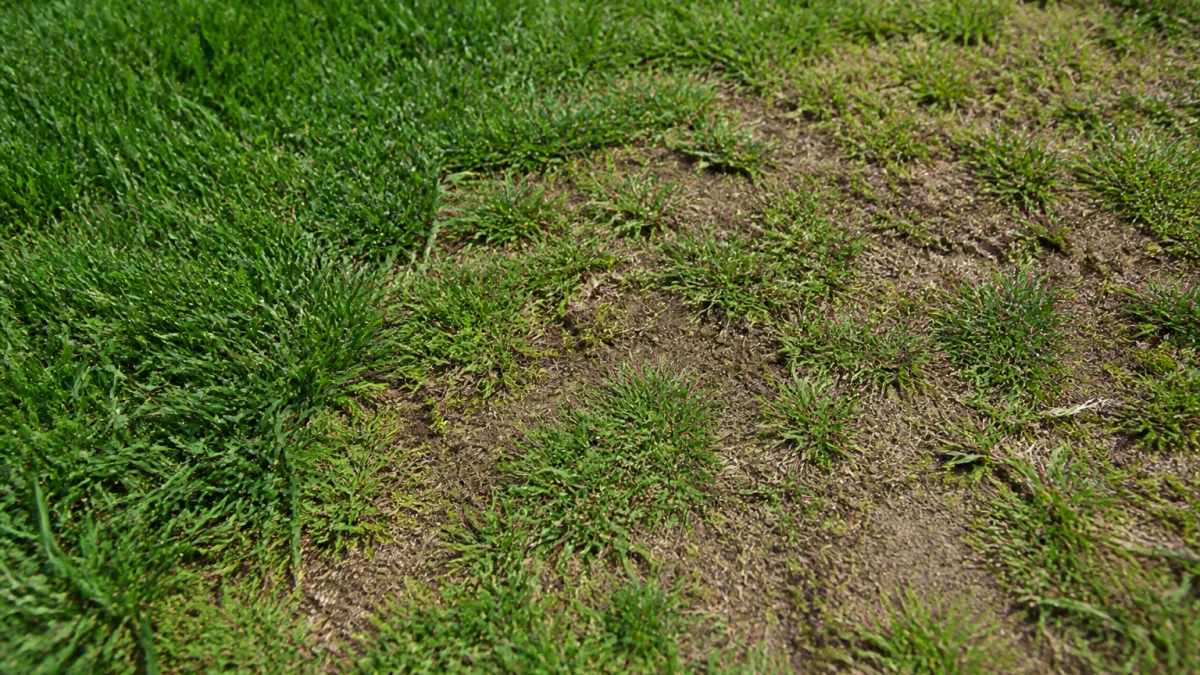
What Causes Lawn Thinning and Bare Spots
A thin lawn usually stems from one or more specific problems. Soil compaction is the most common culprit. Heavy foot traffic, vehicle use, or dense clay soil prevents grass roots from accessing water and nutrients.
Poor drainage creates another major issue. When water pools or sits in certain areas, roots rot and disease takes hold. Shade from trees or structures starves grass of sunlight it needs to thrive.
Pest damage, disease, and improper mowing also thin lawns. Dull mower blades tear grass tips instead of cutting cleanly, creating frayed edges that invite disease. Grubs and other soil insects feed on roots. Fungal diseases like brown patch or dollar spot kill grass in patches.
Finally, poor seed-to-soil contact during initial seeding means grass never establishes properly. If the original lawn was installed without proper preparation, thin areas develop within the first year.
Signs Your Lawn Needs Repair
Spotting a thin lawn is straightforward. Look for these clear signs:
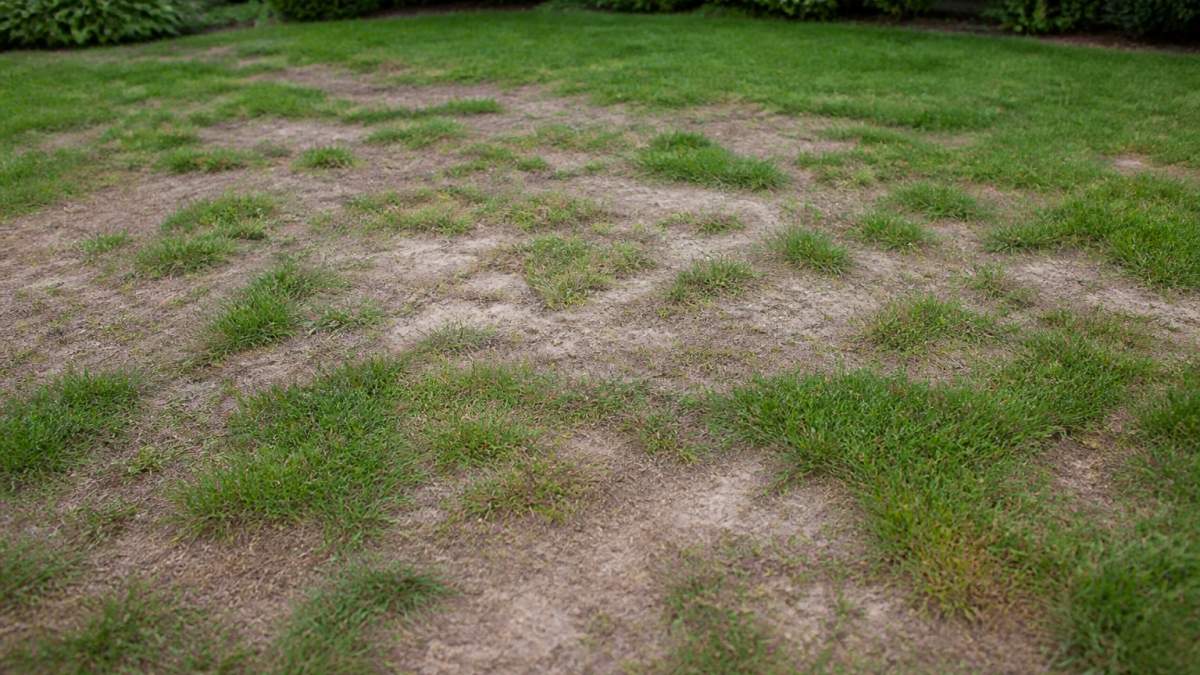
- Visible bare soil where grass should be growing
- Sparse grass coverage where you can see through to the ground
- Uneven density across the lawn, with some areas thick and others thin
- Brown or yellowing patches that don't green up with watering
- Muddy areas that stay wet longer than surrounding grass
- Compacted, hard soil that's difficult to push a garden fork into
If more than 20% of your lawn shows thin coverage or bare spots, repair is worth the effort. Small thin areas can be overseeded. Large damaged zones may need topdressing and renovation work.
Prepare Your Soil Before Overseeding
Most homeowners skip soil preparation and jump straight to seeding. This is the biggest mistake in lawn repair. Poor soil conditions mean seed won't germinate, roots won't establish, and your repair fails.
Proper preparation takes time but saves money and frustration later. Soil that's ready for grass seed has good structure, adequate drainage, and the right pH for your grass type.
Test and Adjust Soil Conditions
Start by testing your soil. A simple soil test reveals pH level, nutrient content, and soil type.
Most grasses prefer soil pH between 6.0 and 7.0. If your soil is too acidic or alkaline, grass won't absorb nutrients even if they're present. Lime raises pH. Sulfur lowers it. Follow test results for application rates.
Check nutrient levels too. Nitrogen, phosphorus, and potassium are essential for seed germination and root development. If your soil is depleted, you'll need to add these nutrients before seeding.
Soil texture matters as well. Sandy soil drains too fast and doesn't hold moisture. Clay soil compacts and drains poorly. Loamy soil, a mix of sand, silt, and clay, is ideal.
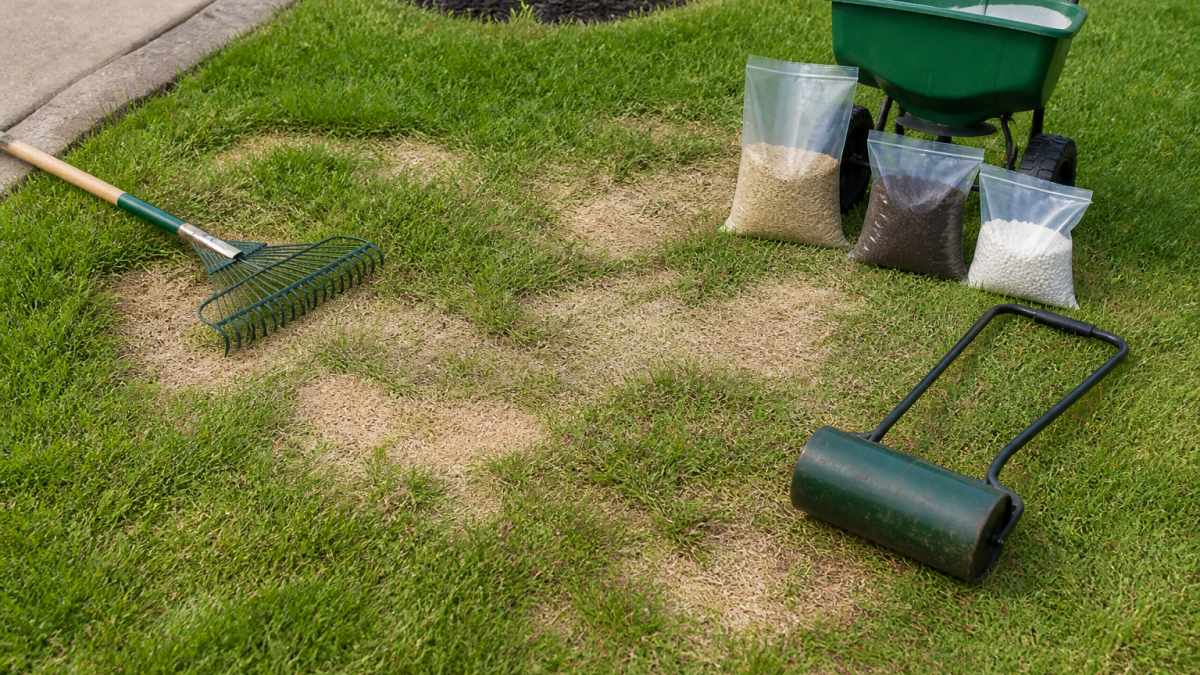
Remove debris from thin areas. Pull out dead grass, rocks, and weeds. Rake the area to create a rough seedbed. Smooth, hard soil won't accept seed properly.
Aerate Compacted Soil for Better Seed Contact
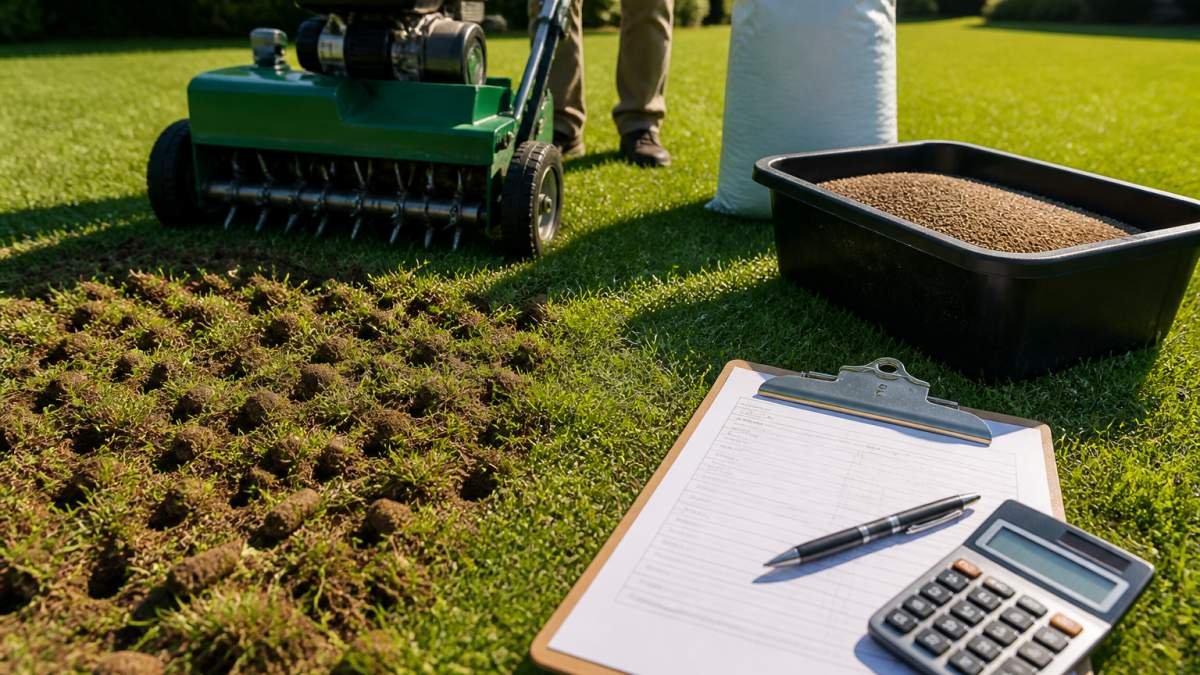
Aeration is essential for fixing thinning lawn patches in compacted soil. Compaction prevents roots from penetrating deep enough to access water and nutrients.
You can rent a core aerator from most equipment rental shops or hire a professional. Core aeration is far more effective than spike aeration, which just punches holes without removing soil.
Aerate in early fall or spring when grass is actively growing. Water your lawn a day before aeration so soil is moist but not soggy. The aerator works better in slightly damp soil.
Make two passes over thin areas, overlapping slightly. This ensures adequate hole coverage. Leave the soil plugs on the lawn, they break down and return nutrients to the soil.
After aeration, your lawn will look rough for a few days. This is normal. The open channels created by aeration dramatically improve seed germination rates and root establishment.
How to Overseed a Thin Lawn: Seed Selection and Application
Overseeding means applying new grass seed to existing lawn to increase density. This is the core of any thin lawn repair. Proper seed selection and application rates determine whether your repair succeeds.
Choose the Best Grass Seed for Lawn Repair
Grass seed selection depends on your climate, soil type, and sun exposure. Cool-season grasses like perennial ryegrass and fescue thrive in northern regions and handle shade well. Warm-season grasses like Bermuda and St. Augustine grass perform better in southern climates with intense summer heat.
Check your region's hardiness zone and choose seed rated for your area. Seed blends are often better than single-species seed because they handle varying conditions within your lawn.
For shaded thin patches, select shade-tolerant varieties. Fine fescues excel in shade. For sunny areas, choose heat-tolerant and drought-resistant varieties. Perennial ryegrass germinates quickly and fills in fast.
Buy quality seed from a reputable supplier. Cheap seed often contains weed seeds and has lower germination rates. Check the seed label for germination percentage, aim for 85% or higher.
Apply Seed at the Right Rate
Application rate is critical. Too little seed leaves gaps. Too much wastes money and creates competition that weakens seedlings.
Typical application rates range from 4 to 6 pounds per 1,000 square feet for overseeding thin areas. For bare spots needing thicker coverage, use 6 to 8 pounds per 1,000 square feet.
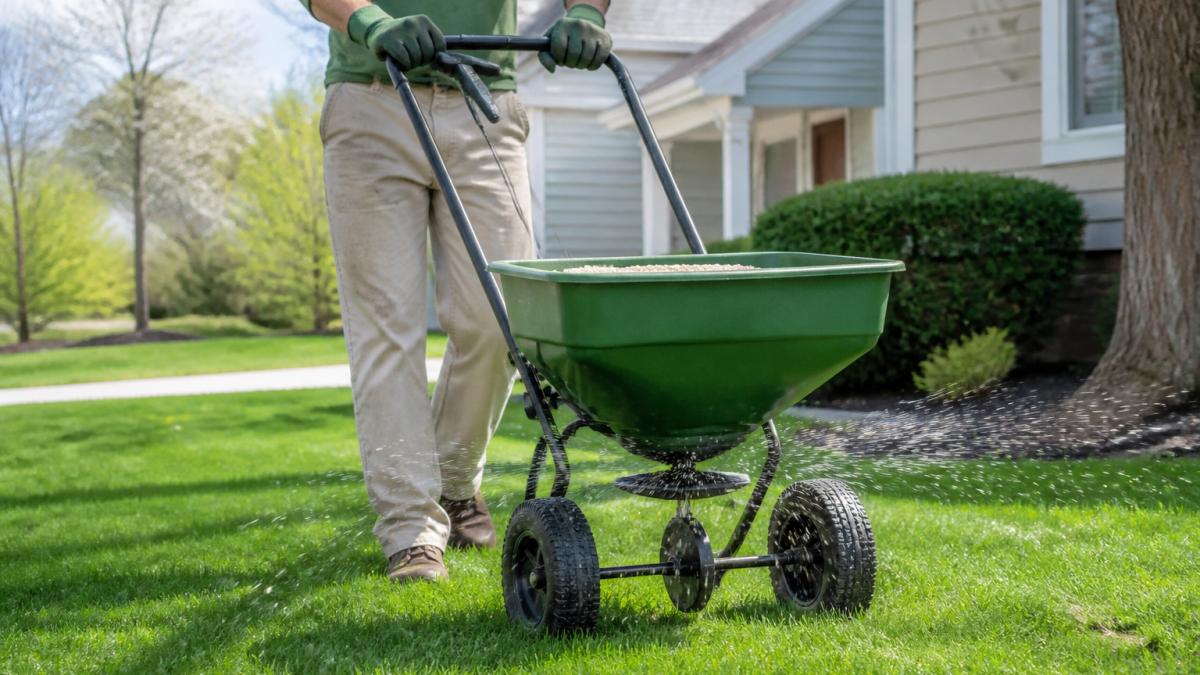
Measure your repair area in square feet. Divide the total by 1,000 to calculate seed needed. A handheld broadcast spreader works well for small areas. A drop spreader gives more precise control over application.
Apply seed in two directions, north-south, then east-west, for even coverage. This prevents missed spots and ensures consistent density.
After seeding, lightly rake the area to work seed into soil contact. Seed needs direct contact with soil to germinate. If seed sits on top of thatch or dead grass, it won't sprout.
How to Repair Bare Spots in Grass: Topdressing and Fertilizer
After seeding, topdressing and fertilizer create ideal conditions for germination and early growth. These steps are often overlooked but make a real difference in success rates.
Apply Topdressing and Starter Fertilizer
Topdressing is a thin layer of compost, topsoil, or lawn mix applied over seeded areas. It protects seed from birds and foot traffic while providing organic matter that improves soil structure and moisture retention.
Apply topdressing at a depth of 1/4 to 1/2 inch. Too thick and it smothers seed. Too thin and it offers little benefit.
Starter fertilizer provides nitrogen, phosphorus, and potassium in ratios that promote root development and early growth. Phosphorus especially helps roots establish quickly.
Apply starter fertilizer according to label directions. Granular fertilizer works well for overseeded areas. Water lightly after application to activate the fertilizer without washing seed away.
Water is crucial at this stage. Keep seeded areas consistently moist for the first 2-3 weeks. Light, frequent watering, once or twice daily, works better than heavy watering that can wash seed away or create runoff.
How Long Does It Take for Grass Seed to Fill In Bare Patches
Patience is necessary when repairing thin lawn patches. Grass seed doesn't produce an instant lawn. Understanding the timeline helps you know what to expect and when to assess results.
Germination Timeline and Measurable Progress
Germination begins within 7-10 days under ideal conditions. You'll see tiny green shoots emerging from soil.
Cool-season grasses germinate faster in spring and fall. Warm-season grasses germinate faster in late spring and summer when soil temperatures are higher.
Seedlings develop roots during weeks 2-4. These roots are fragile and sensitive to foot traffic. Keep people and pets off seeded areas during this critical period.
By week 4-6, seedlings develop their first true leaves and begin strengthening. The lawn starts looking greener and more established.
By 8-12 weeks, most overseeded areas show solid coverage and blend with existing lawn. The repair looks complete, though grass continues strengthening through the season.
Bare spots need longer to fully fill in than thin areas. A thin patch with some existing grass recovers in 6-8 weeks.
Aftercare and Maintenance for Lasting Results
Success doesn't end at germination. Proper aftercare determines whether your repair lasts or thin patches return.
Keep mowing at the right height. Most grasses perform best at 2.5 to 3.5 inches. Mowing too short stresses grass and invites weeds and disease.
Water deeply but less frequently once grass is established. This encourages deep root growth and drought resistance. Shallow, frequent watering creates weak surface roots.
Avoid heavy foot traffic on repaired areas for the first season. Young grass can't handle the same wear as mature turf. If traffic is unavoidable, consider temporary barriers or signage.
Apply a light fertilizer application 6-8 weeks after seeding to support continued growth. Follow up with regular seasonal fertilization based on your grass type and climate.
Monitor for weeds. New seedlings compete poorly with weeds. Hand-pull weeds in seeded areas rather than using herbicides, which can damage young grass.
When Not to Overseed and When to Call a Professional
Not every thin lawn patch should be overseeded. Some situations require different approaches or professional intervention.
Overseeding works best on lawns that are 50% or more grass coverage.
Don't overseed if soil compaction is severe and aeration hasn't been done. Seed won't germinate in hard, compacted soil. Aerate first, then seed.
Avoid overseeding during extreme heat or drought. Seed needs consistent moisture to germinate. If temperatures exceed 85°F and rain isn't forecast, wait for cooler weather.
If your lawn has active disease, pest, or weed problems, address those first. Overseeding into diseased soil or heavy weed pressure wastes seed and money.
Call a professional if:
- Your lawn is more than 50% bare or thin
- Soil compaction is severe and you lack equipment to aerate
- You're unsure of your grass type or climate requirements
- Disease or pest problems persist despite treatment
- Your lawn has been thin or damaged for multiple years
Green Up Specialized Lawn Care handles all aspects of lawn repair, from soil testing and aeration to seed selection and professional application.
Thin lawn patches don't have to become permanent problems. With proper assessment, soil preparation, and overseeding technique, you can restore dense, healthy turf.
Frequently Asked Questions
What causes thinning patches in a lawn?
Thinning patches result from soil compaction, poor drainage, shade, foot traffic, disease, insect damage, or heat stress. Compacted soil prevents grass roots from accessing water and nutrients, while shade limits photosynthesis. Heavy use and pet damage also thin grass. Identifying the cause before reseeding prevents the same problem from recurring. Test your soil and observe lawn conditions to pinpoint whether aeration, improved drainage, shade management, or disease control is needed first.
Should I aerate before overseeding a thin lawn?
Yes, aeration before overseeding is essential for thin lawns. Compacted soil is the most common cause of thinning. Aeration creates channels for seed-to-soil contact, allowing roots to penetrate deeper and access moisture and nutrients. Use a core aerator in spring or fall when soil is moist but not waterlogged. Remove the soil plugs and leave them on the lawn to break down. Overseed immediately after aeration for best results.
How long does it take for grass seed to fill in bare patches?
Germination typically begins within 7-10 days under proper conditions, with visible seedling growth by 2-3 weeks. Full coverage and density improvement take 6-8 weeks. Cool-season grasses germinate faster in spring and fall, while warm-season grasses need soil temperatures above 60°F. Consistent moisture is critical during the first 4 weeks. You'll see measurable progress by week 3-4, but allow 8-10 weeks for the patch to blend with surrounding turf.
Can I just sprinkle grass seed on bare spots without preparation?
Sprinkling seed directly onto bare spots has poor success rates because seeds need soil contact to germinate. Without aeration or soil preparation, compacted soil prevents root penetration and seed-to-soil contact. Proper repair requires assessing the cause, aerating if needed, loosening the top inch of soil, applying seed at the correct rate, topdressing with lawn mix, and maintaining consistent moisture for 4 weeks. This approach takes more effort but delivers lasting results instead of temporary fixes.