 ultimate-guide
Why Professional Weed Control Works: A 2026 Lawn Guide
Table of Contents
- Why Professional Weed Control Works: The Science Behind the Results
- Professional Lawn Weed Killer vs Store Bought: What's the Difference?
- Pre-Emergent vs Post-Emergent Weed Control: Timing Is Everything
- How Long Does Professional Weed Control Take to Work?
- The Long-Term Value: Cost-Benefit Analysis Over 3-5 Years
- Safety First: Protecting Pets and Children During Weed Control
- Safety First: Protecting Pets and Children During Weed Control
- Frequently Asked Questions
Last Updated: September 27, 2026
Why Professional Weed Control Works: The Science Behind the Results
Professional weed control works because it attacks weeds where they are most vulnerable: germination timing, root absorption, and soil competition. A store-bought spray kills what you can see; a professional program manages the weed life cycle so the next generation never establishes. At Green Up Specialized Lawn Care, we build every treatment around that distinction, which is why homeowners in Gahanna, Westerville, New Albany, and Bexley see fewer weeds each season.
What most DIY guides skip: the visible weed is rarely the problem. The seed bank in your soil is, waiting for the right temperature and moisture.
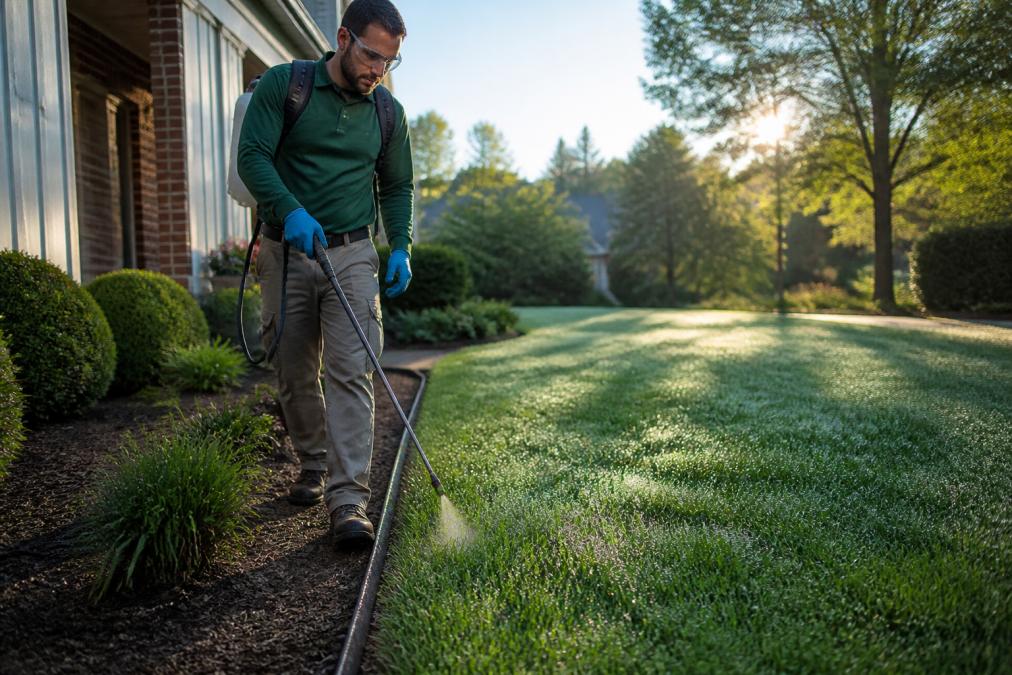
Three biological facts explain why professional weed control outperforms anything you buy at a big box store:
- Weed germination is temperature-triggered. Pre-emergent products must be down before soil temperatures hit the germination threshold for each species. Miss the window by two weeks and the product does nothing.
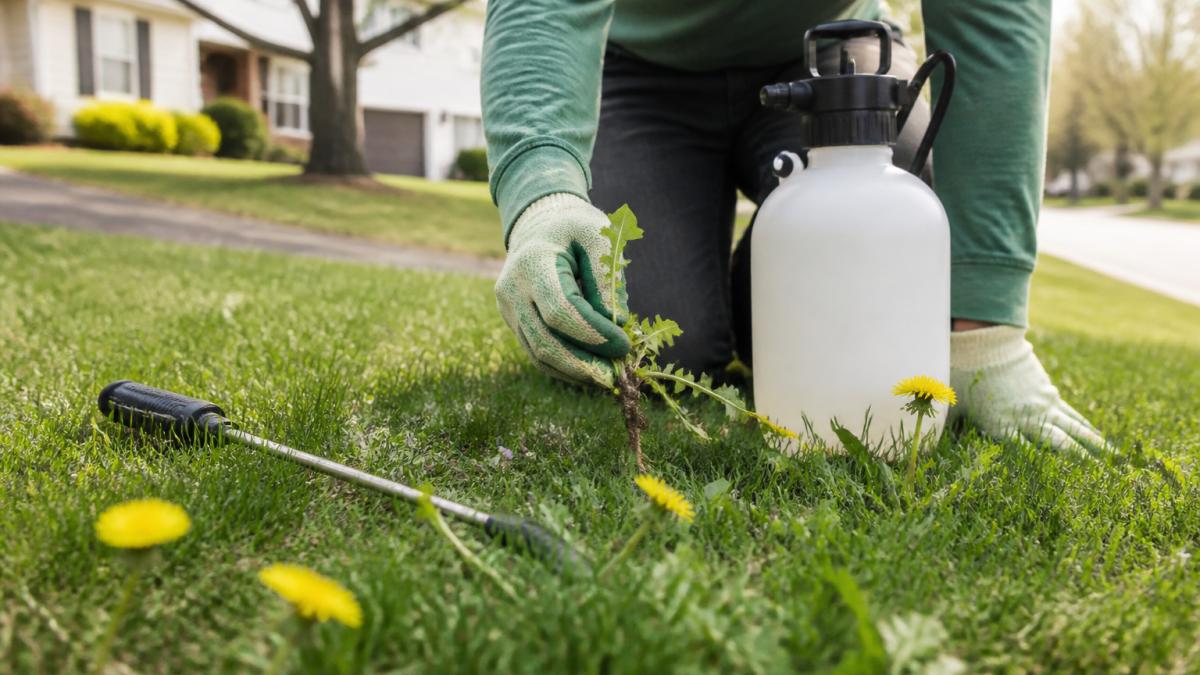
- Broadleaf weeds like dandelion, clover, and thistle store energy in taproots. Pulling the top leaves off leaves the root system intact, and the plant regrows within weeks.
- Thin turf invites weeds. Bare patches and low lawn density give weed seeds light and space. Without fixing the underlying turfgrass density, you are mowing weeds, not grass.
The Ohio State University Extension turfgrass fact sheets describe this cycle in detail: weeds exploit disturbance and thin stands, and they return until the canopy closes.
Professional Lawn Weed Killer vs Store Bought: What's the Difference?
The difference is concentration, formulation, and timing, not just strength. Professional-grade products are sold to licensed applicators in concentrated form, formulated for specific weed species and turf types. Retail products are diluted for safety and shelf stability, which limits how hard they hit established weeds.
Most retail bottles carry the same two or three active ingredients in low concentrations, formulated so a homeowner cannot easily damage the lawn or themselves. The trade-off: field bindweed, ground ivy, and established thistle often shrug off a single retail application.
Professional applicators also use different carriers and surfactants. A surfactant helps the herbicide spread across the leaf surface and penetrate the waxy cuticle.
Pre-Emergent vs Post-Emergent Weed Control: Timing Is Everything
Pre-emergent weed control prevents seeds from germinating; post-emergent weed control kills weeds that have already sprouted. The two are not interchangeable, and confusing them is the most common reason DIY programs fail.
| Treatment Type | When It's Applied | What It Controls | Best For |
|---|---|---|---|
| Pre-emergent | Before weed germination | Seeds not yet sprouted | Crabgrass, annual weeds |
| Post-emergent | After weeds emerge | Actively growing weeds | Dandelion, thistle, clover |
| Selective post-emergent | After weeds emerge | Broadleaf weeds only | Lawns with mixed grass |
| Non-selective | Spot treatment only | All vegetation | Driveways, bed edges |
How Long Does Professional Weed Control Take to Work?
Most post-emergent treatments show visible results within 7 to 14 days, with full die-off in two to three weeks. Pre-emergent treatments show no visible result at all, because their job is to stop weeds that never appear. That silence is the product working.
What you will typically observe on post-emergent applications:
- Days 1-3: Weeds stop growing and begin to look stressed.
- Days 4-10: Discoloration and curling appear as the plant absorbs the herbicide.
- Days 10-21: Weeds dry out and break down. Some hardier species like field bindweed may need a second application.
The Long-Term Value: Cost-Benefit Analysis Over 3-5 Years
A professional weed control program costs more per visit than a retail bottle, but the comparison that matters is the 3-5 year total. Repeated DIY attempts, replacement products after failures, and renovating a lawn that lost its density often add up to more than a managed program. DIY spending is reactive and fragmented; a program is sequenced and cumulative.
Here is how the two paths typically diverge:
| Timeframe | DIY Approach | Professional Program |
|---|---|---|
| Year 1 | Repeated purchases, partial control | Full treatment sequence, visible improvement |
| Year 2-3 | Same weeds return, thin patches spread | Turf density improves, weed pressure drops |
| Year 4-5 | Possible renovation needed (aeration, overseeding, topdressing) | Maintenance-level program on healthier turf |
- Two to four retail herbicide bottles at roughly $15 to $40 each, because the first product rarely finishes the job.
- A dedicated sprayer or hose-end applicator, often $20 to $60, plus replacement parts when seals fail.
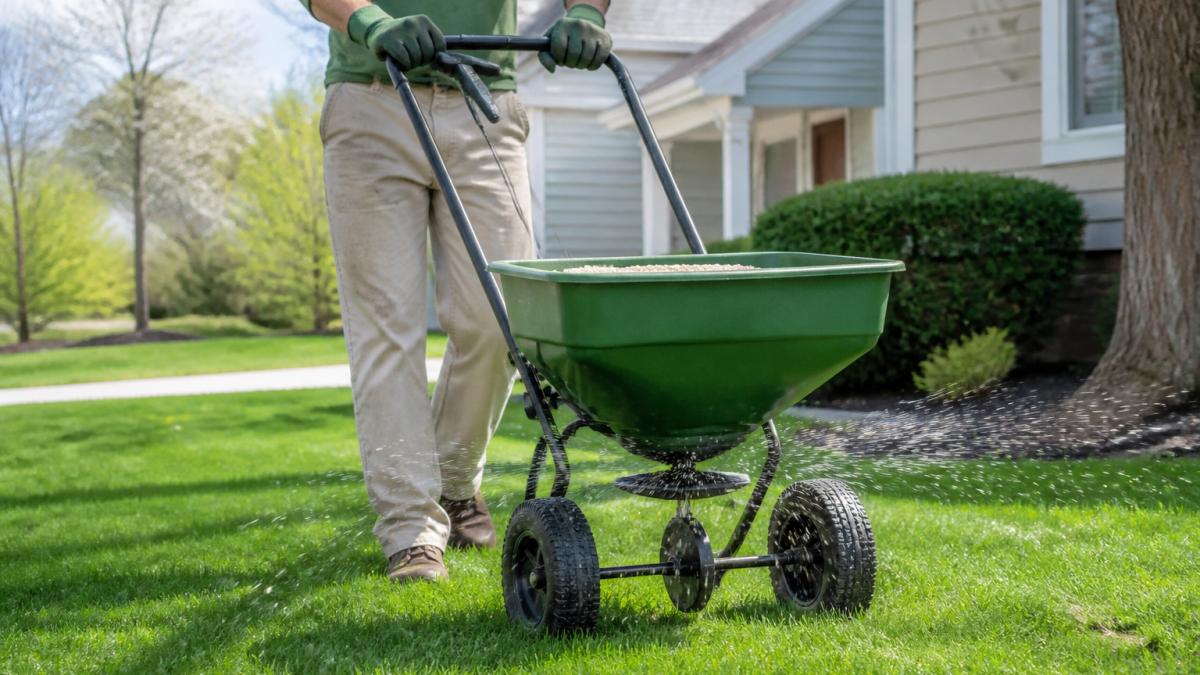
- Pre-emergent granules sold in bags sized for small lawns, which rarely cover the full property at the labeled rate.
- Spot treatments for regrowth, which means another bottle and another weekend.
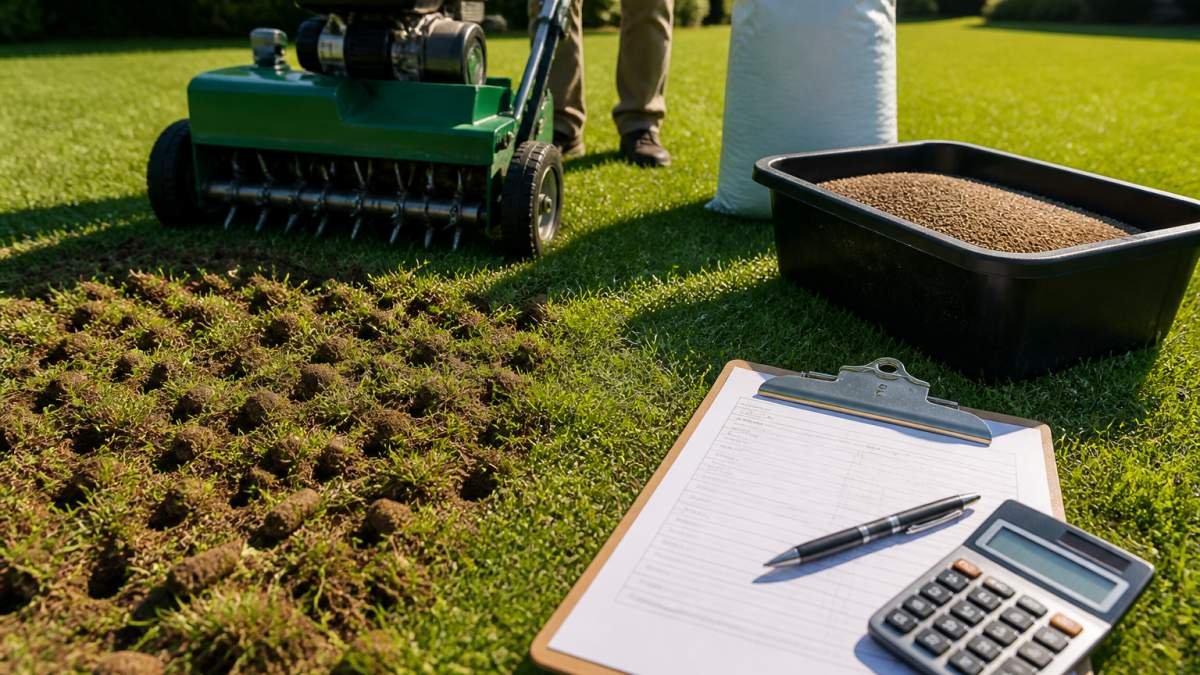
- Aeration and overseeding once thin patches become bare, which is the largest single line item and the one most homeowners do not budget for.
Safety First: Protecting Pets and Children During Weed Control
Practical safety practices for any treatment, professional or DIY:
- Keep pets and children off treated turf until the product has dried, and follow the re-entry interval on the label. This is usually a matter of hours, not days, but it varies by product and by formulation.
- Apply when pollinators are not active, typically early morning or evening, and avoid treating blooming weeds that bees are visiting. Many broadleaf herbicides are toxic to pollinators if applied to flowering weeds.
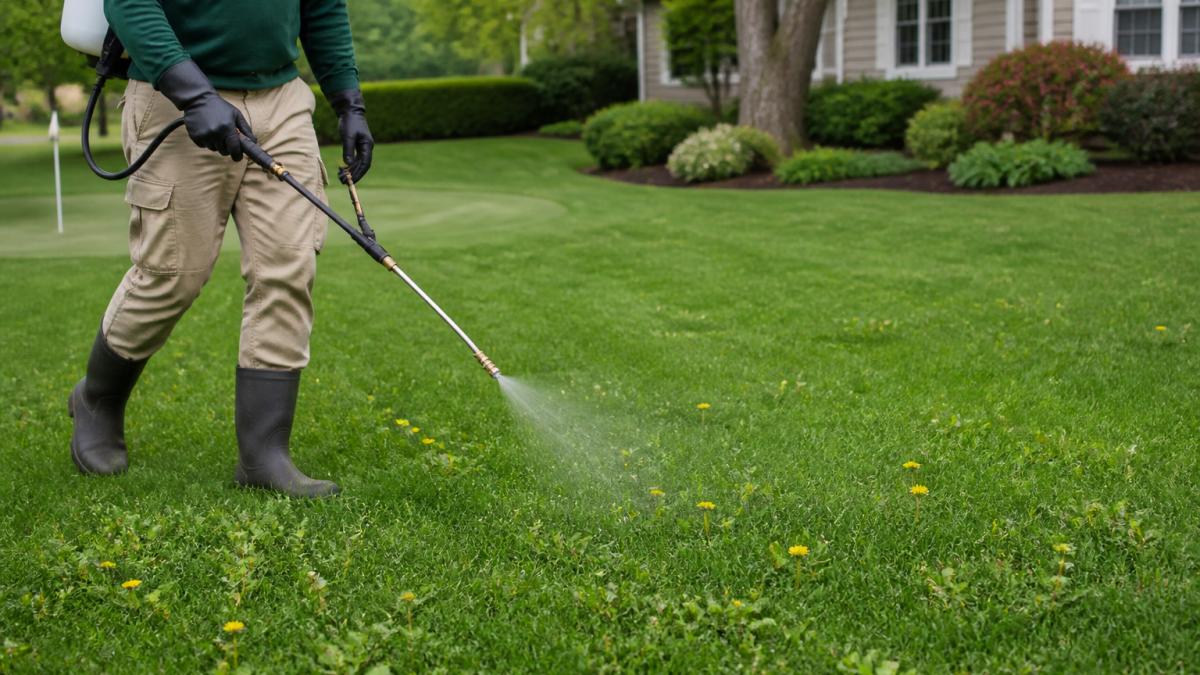
- Use the right personal protective equipment. Gloves, eye protection, and closed shoes are standard. Professional applicators use calibrated equipment to hit the target rate instead of guessing.
- Store and dispose of products per the label. Never pour leftover product down a drain or into a storm sewer.
- Keep the original label accessible. If a pet or child does contact treated turf and shows symptoms, the label is what a veterinarian or poison control will ask for.
If you are unsure whether a product is appropriate for a household with pets or young children, ask before the application, not after. A provider who cannot or will not name the active ingredients and the re-entry interval is not the one to hire.
Safety First: Protecting Pets and Children During Weed Control
Safety comes down to product selection, application method, and re-entry timing. Professional applicators are trained on EPA pesticide safety and label requirements, and the label directions govern how, when, and where a product can be applied. Following those directions is what keeps pets, children, and pollinators out of harm's way.
Practical safety practices for any treatment, professional or DIY:
- Keep pets and children off treated turf until the product has dried, and follow the re-entry interval on the label. This is usually a matter of hours, not days, but it varies by product.
- Apply when pollinators are not active, typically early morning or evening, and avoid treating blooming weeds that bees are visiting.
- Use the right personal protective equipment. Gloves, eye protection, and closed shoes are standard. Professional applicators use calibrated equipment to hit the target rate instead of guessing.
- Store and dispose of products per the label. Never pour leftover product down a drain or into a storm sewer.
Frequently Asked Questions
What do professional landscapers use for weed control?
Professionals use a combination of pre-emergent and post-emergent herbicides tailored to the specific weeds and turfgrass in your lawn. These products often contain higher concentrations of active ingredients than retail versions and are applied with calibrated equipment for even coverage. They also time applications based on soil temperature and weed life cycles, which is critical for effectiveness.
How long does it take for weed control to work?
Post-emergent herbicides typically show visible results within 7 to 14 days, with weeds curling, yellowing, and dying. Pre-emergent treatments work before weeds emerge and can prevent germination for several weeks to months. Full control of established weeds may take multiple applications over a growing season, depending on the weed species and infestation level.
Is professional weed control safer for pets and children?
When applied by trained professionals, weed control products are used according to label directions, which include specific waiting periods before pets and children can safely return to the lawn. Professionals also choose products with lower toxicity profiles when possible and apply them precisely to minimize drift and runoff. Always follow the provider's re-entry guidelines for safety.
Why is store-bought weed killer not killing my weeds?
Store-bought products often contain lower concentrations of active ingredients and may not be formulated for the specific weed species in your lawn. Additionally, incorrect application timing, improper coverage, or herbicide resistance can reduce effectiveness. Professional-grade products and precise application methods address these issues, leading to better results.
Weeds keep returning because the cycle never gets broken, and that is the problem a real program solves. Green Up Specialized Lawn Care is owner-operated and built around personalized treatment plans, combining fertilization, weed control, core aeration, and overseeding so your lawn gains density instead of just losing weeds. If you are tired of the same dandelions every spring, get started with Green Up Specialized Lawn Care and build a lawn that crowds weeds out on its own.