 ultimate-guide
Lawn Core Aeration Benefits Explained
Table of Contents
- What Core Aeration Is and How It Works
- How to Tell If Your Lawn Needs Aeration
- The Best Time to Aerate Lawn for Maximum Results
- Core Aeration vs Spike Aeration: What's the Difference
- Primary Benefits of Core Aeration for Lawn Health
- Relieving Soil Compaction and Improving Soil Structure
- Enhanced Air Exchange and Oxygen in the Root Zone
- Better Water Penetration and Drainage
- Stronger, Deeper Grass Roots and Root Growth
- Improved Nutrient and Fertilizer Uptake
- Thicker Lawn Growth and Increased Density
- Greater Drought Resistance and Lawn Resilience
- Lawn Aeration and Overseeding Benefits Combined
- Before and After Aeration: What to Do
- Limitations and When Not to Aerate
- Frequently Asked Questions
Last Updated: October 9, 2026
What Core Aeration Is and How It Works
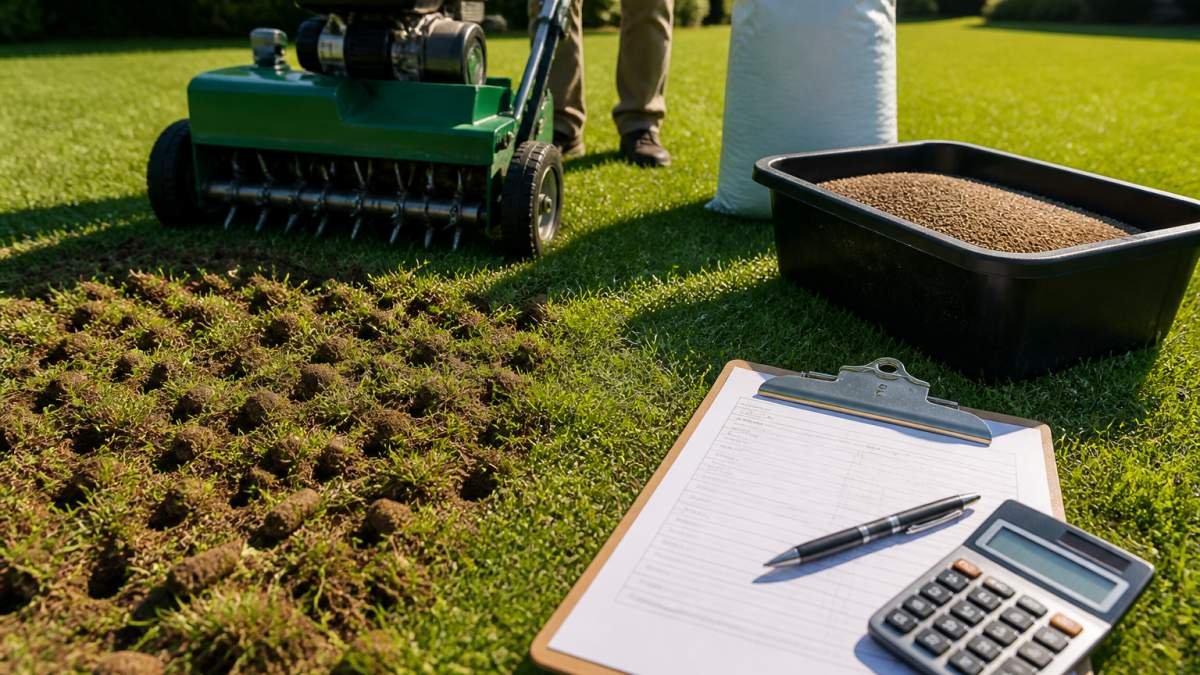
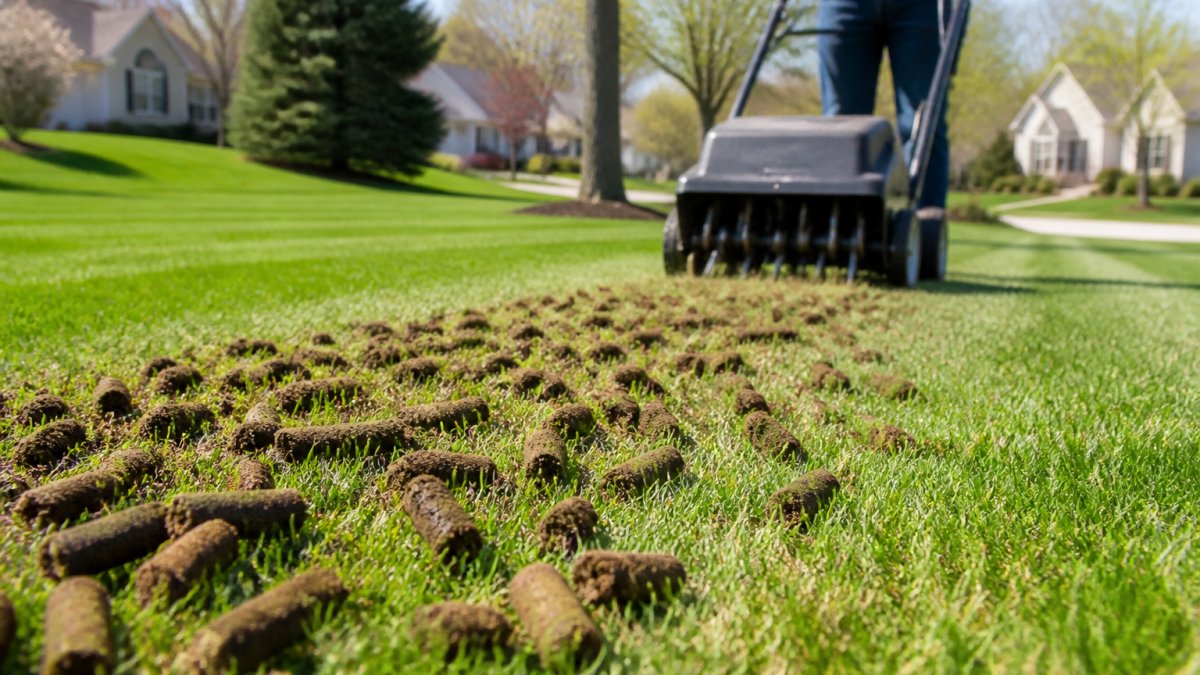
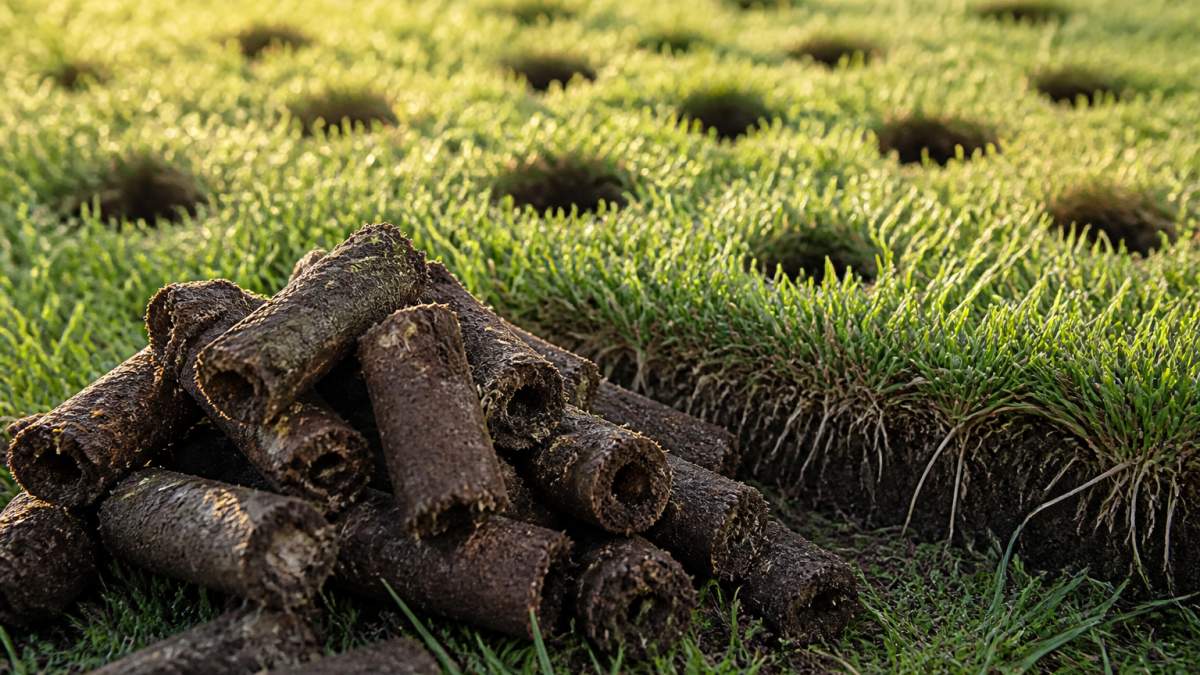
Core aeration is the process of mechanically removing small plugs of soil and thatch from your lawn, creating holes that penetrate deep into the root zone.
The process works because most lawns develop compacted soil over time from foot traffic, heavy equipment, and natural settling. This compaction restricts root growth and prevents essential elements from reaching the grass plants.
Core aeration is most effective when performed during the lawn's active growing season, when the grass can quickly recover and fill in the holes left behind.
How to Tell If Your Lawn Needs Aeration
Your lawn likely needs aeration if you notice compacted, hard soil that water runs off rather than soaks into. Push a screwdriver or soil probe into your lawn; if it's difficult to push more than 2-3 inches, compaction is present.
Thin, patchy grass growth despite adequate fertilizer and water is another indicator. When soil is compacted, grass roots cannot expand deeply, limiting nutrient uptake and making plants more susceptible to stress.
Heavy clay soil is particularly prone to compaction. Lawns in high-traffic areas, around homes with significant foot traffic, or properties where equipment has been used also benefit from aeration.
The Best Time to Aerate Lawn for Maximum Results
The best time to aerate lawn depends on your grass type. Cool-season grasses, common in northern regions, should be aerated in early fall or spring when soil moisture is adequate and temperatures are moderate.
Warm-season grasses, found in southern regions, should be aerated in late spring through early summer when the grass is actively growing. Aerating during peak growing season allows the grass to quickly fill in the holes and recover from the disruption.
Soil moisture matters significantly. Aerate when soil is moist but not waterlogged. Soil that's too dry is difficult to penetrate, and soil that's too wet becomes compacted further by equipment.
Core Aeration vs Spike Aeration: What's the Difference
Core aeration and spike aeration are two different methods, and the difference affects results. Core aeration uses hollow tines that remove soil plugs, creating open channels and actually relieving compaction.
Spike aeration can sometimes worsen compaction by forcing soil particles tighter together. It may create temporary channels, but these close back up quickly, especially in clay soils.
For lawns with significant compaction, core aeration is the superior choice. Spike aeration might be appropriate only for very light maintenance on already-healthy soil, but most homeowners see better results from true core aeration.
Primary Benefits of Core Aeration for Lawn Health
Core aeration benefits explained through measurable improvements in soil structure, root development, and grass health. The process addresses multiple limiting factors that prevent lawns from reaching their potential.
Relieving Soil Compaction and Improving Soil Structure
Compacted soil prevents root expansion and limits nutrient availability. Core aeration physically breaks up this compaction by removing soil cores and creating space for roots to penetrate deeper. The removal of these plugs relieves pressure on remaining soil particles, improving overall soil structure.
Better soil structure allows beneficial microorganisms to thrive. These microbes break down organic matter, releasing nutrients that become available to grass plants. Improved structure also means water moves through the soil profile more effectively rather than running off the surface.
Enhanced Air Exchange and Oxygen in the Root Zone
Compacted soil restricts oxygen availability in the root zone. Grass roots require oxygen for respiration and nutrient uptake. Core aeration creates direct pathways for air to penetrate into deeper soil layers where roots are developing.
Increased oxygen in the root zone supports stronger root growth and allows soil microbes to function more effectively. These aerobic microorganisms are essential for breaking down thatch and processing nutrients. Without adequate air exchange, the soil becomes anaerobic, which inhibits beneficial microbial activity.
Better Water Penetration and Drainage
Water that cannot penetrate compacted soil either runs off or pools on the surface. Core aeration creates channels for water to move into the soil profile and reach the root zone. This improved water penetration means grass plants can access moisture during dry periods.
Better drainage also prevents waterlogging in heavy clay soils. Excess water that sits on or near the surface promotes disease and root rot. By creating drainage pathways, aeration helps maintain optimal soil moisture for grass health.
Stronger, Deeper Grass Roots and Root Growth
When soil is compacted, grass roots cannot expand downward. They remain shallow, making plants vulnerable to drought and heat stress. Core aeration removes the physical barrier preventing root expansion, allowing roots to penetrate deeper into the soil.
Deeper roots access more soil moisture and nutrients, making the grass plant more resilient. A lawn with deeper roots can survive dry periods better and requires less supplemental watering. Root growth also improves grass density as plants become stronger and more capable of spreading.
Improved Nutrient and Fertilizer Uptake
Shallow roots in compacted soil cannot access nutrients at deeper soil layers. Even when fertilizer is applied, compacted soil structure limits how effectively nutrients move into the root zone. Core aeration improves nutrient uptake by creating better soil structure and encouraging deeper root development.
With improved soil structure and deeper roots, the same amount of fertilizer becomes more effective. Plants can absorb more nutrients, reducing the need for excessive fertilizer applications. This efficiency benefits both your lawn and the environment.
Thicker Lawn Growth and Increased Density
Grass that can develop stronger, deeper roots produces more shoots and spreads more vigorously. Core aeration enables this growth by removing the constraints of compacted soil. Over time, the lawn becomes denser with fewer bare patches and thin spots.
Thicker lawn growth crowds out weeds by reducing bare soil where weed seeds can establish. A dense, healthy lawn is more attractive and more resistant to disease and pest damage. This improved density is one of the most visible benefits of successful core aeration.
Greater Drought Resistance and Lawn Resilience
Shallow-rooted grass in compacted soil suffers quickly during drought because it cannot access deeper soil moisture reserves. Core aeration enables roots to penetrate deeper, where soil moisture persists longer during dry periods. This deeper root system makes the lawn significantly more drought-resistant.
Improved soil structure and better water penetration also help soil retain moisture more effectively. A lawn with these advantages can handle environmental stress better, whether from drought, heat, or traffic. This resilience means your lawn maintains health through challenging seasons.
Lawn Aeration and Overseeding Benefits Combined
Combining core aeration with overseeding produces better results than either practice alone. Aeration creates ideal conditions for seed-to-soil contact, which is essential for germination. The open holes and loosened soil provide perfect environment for new seed to establish.
Overseeding immediately after aeration fills bare spots and thin areas with new grass plants. The seeds fall into the aeration holes where they contact moist soil, promoting germination.
Green Up Specialized Lawn Care recommends this combined approach for lawns with significant thin patches or bare spots. The timing is critical: seed within a day or two of aeration while soil is still disturbed and moist.
Before and After Aeration: What to Do
Preparation Steps Before Aeration
Water your lawn thoroughly 2-3 days before aeration to ensure soil moisture is adequate. Soil that's too dry will not allow the tines to penetrate properly, and soil that's too wet will compact further under equipment weight.
Mark any underground utilities before the aeration service arrives. Call 811 or your local utility locating service to have gas, electric, and water lines marked. This prevents damage to essential infrastructure during the aeration process.
Mow your lawn to normal height before aeration. Do not scalp the grass short, as this removes too much leaf surface. The grass needs adequate foliage to recover from the stress of aeration.
Care and Recovery After Aeration
Leave the soil plugs on the lawn after aeration. They will break down over several weeks, returning organic matter and nutrients to the soil.
Water your lawn within a day of aeration if rain has not occurred. This helps settle the soil and provides moisture for grass recovery.
If you overseeded during aeration, keep the soil consistently moist for 2-3 weeks to support seed germination. Once new grass is established and growing, transition to normal watering practices.
Fertilize after aeration to support grass recovery and growth. The aeration process stresses the grass temporarily, and nutrients support rapid recovery.
Limitations and When Not to Aerate
Core aeration is not appropriate for all lawn situations.
Extremely compacted clay soils may require multiple aeration passes over successive years. A single aeration may not fully relieve severe compaction.
Aeration during dormant periods is ineffective because the grass cannot recover quickly. Avoid aerating cool-season grasses during summer dormancy or warm-season grasses during winter dormancy.
If your lawn is healthy with good density, deep roots, and adequate drainage, aeration may not be necessary.
Soil compaction is one of the most common obstacles preventing lawns from reaching their full potential.
Frequently Asked Questions
What are the primary benefits of core aeration for residential lawns?
Core aeration relieves soil compaction, allowing oxygen, water, and nutrients to reach the root zone more effectively. This strengthens grass roots, improves overall turf health, and increases lawn density. The process also breaks down thatch, promotes microorganism activity in the soil, and enhances the lawn's ability to withstand drought and environmental stress. When combined with overseeding, aeration helps new grass establish faster in bare or thin areas.
When is the best time to aerate lawn for optimal results?
Aerate cool-season grasses in early spring or early fall when temperatures are mild and the grass is actively growing. Spring aeration allows the lawn to recover during the growing season, while fall aeration prepares the turf for winter and spring recovery. Avoid aeration during extreme heat, drought, or dormancy. For warm-season grasses, late spring through early summer is ideal. Timing varies by grass type and regional climate, so professional guidance ensures you aerate at the right moment for your lawn.
What is the difference between core aeration and spike aeration?
Core aeration uses hollow tines to pull soil plugs from the ground, creating holes that relieve compaction and improve soil structure. Spike aeration uses solid tines to poke holes without removing soil, which can actually increase compaction in heavy clay soils. Core aeration is more effective for compacted soil and provides superior results for root growth and water penetration. Spike aeration is less invasive but offers limited benefits for truly compacted lawns. Professional core aeration delivers measurable improvements in soil porosity and grass health.
How does lawn aeration and overseeding work together to improve lawn health?
Aeration creates an ideal environment for new grass seed to germinate and establish by improving soil contact and reducing competition from existing vegetation. Overseeding fills bare patches and thickens the lawn by introducing new grass plants into aerated holes. The combination addresses both soil health and lawn density simultaneously. Aeration opens the soil structure, allowing better water and nutrient uptake for new seedlings, while overseeding ensures the lawn recovers faster and becomes more resilient. This pairing is especially effective for lawns with thin coverage or environmental stress.
Does core aeration actually help with soil compaction and drainage?
Yes. Core aeration directly addresses soil compaction by removing soil cores and breaking up the dense layer that prevents water and air movement. This improves soil porosity and creates pathways for water to penetrate deeper into the root zone. Better drainage reduces waterlogging and allows oxygen to reach grass roots more effectively. Over time, repeated aeration maintains soil structure and prevents recompaction from foot traffic and heavy use. Results become more pronounced after the first aeration, with ongoing improvements through seasonal maintenance.
How often should you perform core aeration on your lawn?
Most residential lawns benefit from annual aeration, especially those experiencing heavy foot traffic, clay soil, or signs of compaction. Some lawns may need aeration every two years depending on soil type, usage, and existing conditions. Lawns with severe compaction or poor drainage may require more frequent aeration initially. Professional assessment determines the right schedule for your specific lawn. Regular aeration maintains soil health, prevents compaction buildup, and supports consistent lawn density and appearance year after year.